

Sickle cell and blood transfusions
Learn more about the vital difference blood transfusions make to someone with sickle cell disorder.
We urgently need new donors of Black heritage to help treat sickle cell, the fastest growing inherited blood disorder in the UK.
Thousands of patients rely on regular blood transfusions to stay alive and manage their condition.
Safest treatments require closely matched blood. This match is most likely to come from a donor of the same ethnicity.
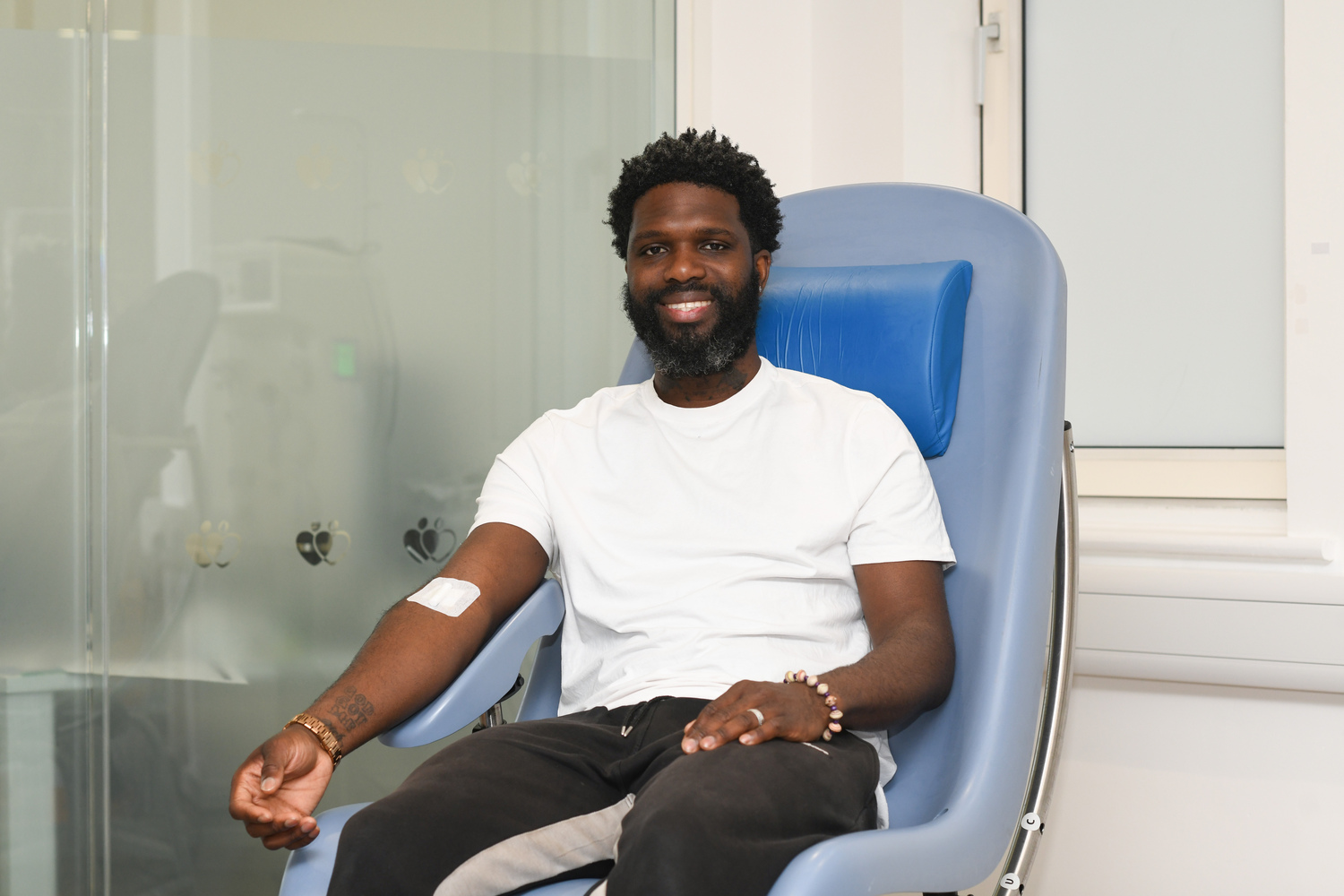
You can join a growing community of donors helping to provide these lifesaving transfusions.
Sickle cell disorder changes the shape of red blood cells. Sickle shaped cells can block blood vessels, causing extreme pain, organ damage and life threatening complications.
Regular transfusions replace damaged cells with healthy ones to prevent these complications.
Patients need an exact blood match to safely receive blood and avoid serious, lasting reactions.
The Ro blood subtype is crucial for treating people with sickle cell disorder. While rare in the general population, nearly half of all donors of Black heritage have this subtype.
6,500
blood donations are needed every month to help people affected by sickle cell.
When you donate blood, we test it to identify your blood type and subtype, including rare blood types. If you are a close match for a patient, your donation could be used to treat someone with sickle cell disorder.
For patients who receive well matched blood, it can:
reduce chronic pain and improve energy levels
help prevent strokes in children and adults
allow them to live a fuller, more independent life
I had a newfound spring in my step. I was so happy and energised.
Chanel, who lives with sickle cell disorder
Chanel received closely matched blood from donors, helping her feel stronger and more able to enjoy daily life. She says the change was life-altering - not just physically, but in how she felt about her future.
If you have not donated before, here is what happens:
answer a few health questions when you arrive
have a small blood sample taken to check your haemoglobin levels
give your donation - this takes around 10 minutes
Most people are in and out within an hour. Your body replaces the blood you give within a few weeks.
It only takes a few minutes to sign up to help fight sickle cell.