Stem cells are remarkable. They can transform into many of the different cells that your body needs to function, including red blood cells, white blood cells, and platelets. When the production of these blood cells is disrupted, this can lead to blood cancers and other diseases.
For many people, a stem cell transplant is their only chance of a cure. But here's the thing, before a stem cell transplant can be made, a matching donor needs to be found and finding the right match can be challenging. 70% of patients rely on being matched with volunteer donors who are unknown to them. The NHS Stem Cell Donor Registry has over 400,000 people signed up and ready to donate if they are matched with a patient, but many more are needed in order to save lives. That's where you come in. If you are between 17 and 40 years old, you could join the NHS Stem Cell Donor Registry.
We need stem cell donors of all ethnicities. Patients in need of stem cell transplants are far more likely to match with donors who are of similar ethnic heritage. You could help save a life by joining the registry. It's easy to join.
An extra blood sample is taken during your blood plasma or platelet donation appointment. Please ask a member of staff to join the NHS Stem Cell Donor Registry before you donate. Once you're on the registry, we will contact you if you're a match for someone in need.
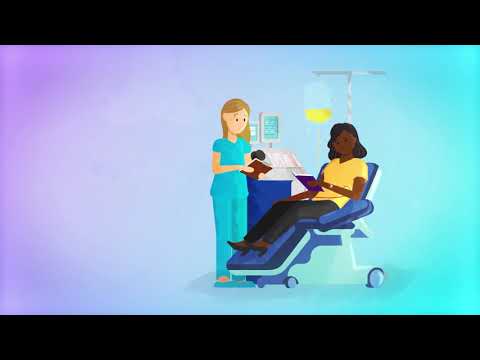
The majority of people on the register will never be contacted at all. It's very rare to be found as a match, but every person on the registry helps boost the chances that life saving matches can be found. If you are selected as a stem cell donor for someone, we will support you through the entire donation process. Most of the time, donors give stem cells which are in their blood. To do this, donors are given medication that boosts stem cell production. Then a machine similar to those used in plasma and platelet donations collects the stem cells from the donor's bloodstream. Around 90% of stem cell donations are made this way. The remaining donations are made with bone marrow. This process involves collecting stem cells from the hip bones using a thin needle.
By making a stem cell donation, you could be directly saving the life of the patients you are matched with. Your stem cells could save a life if you're aged 17 to 40. Join the NHS Stem Cell Donor Registry at your next donation appointment.