Mum leads call for better awareness of Kawasaki disease plus more blood and plasma donors to come forward and help produce life-saving medicines
NHS Blood and Transplant (NHSBT) is teaming up with parents and Dr Emily MacDonagh to raise awareness of Kawasaki disease – the leading cause of acquired heart disease in children in the UK – and to urge more people to donate blood or plasma to help treat affected children.
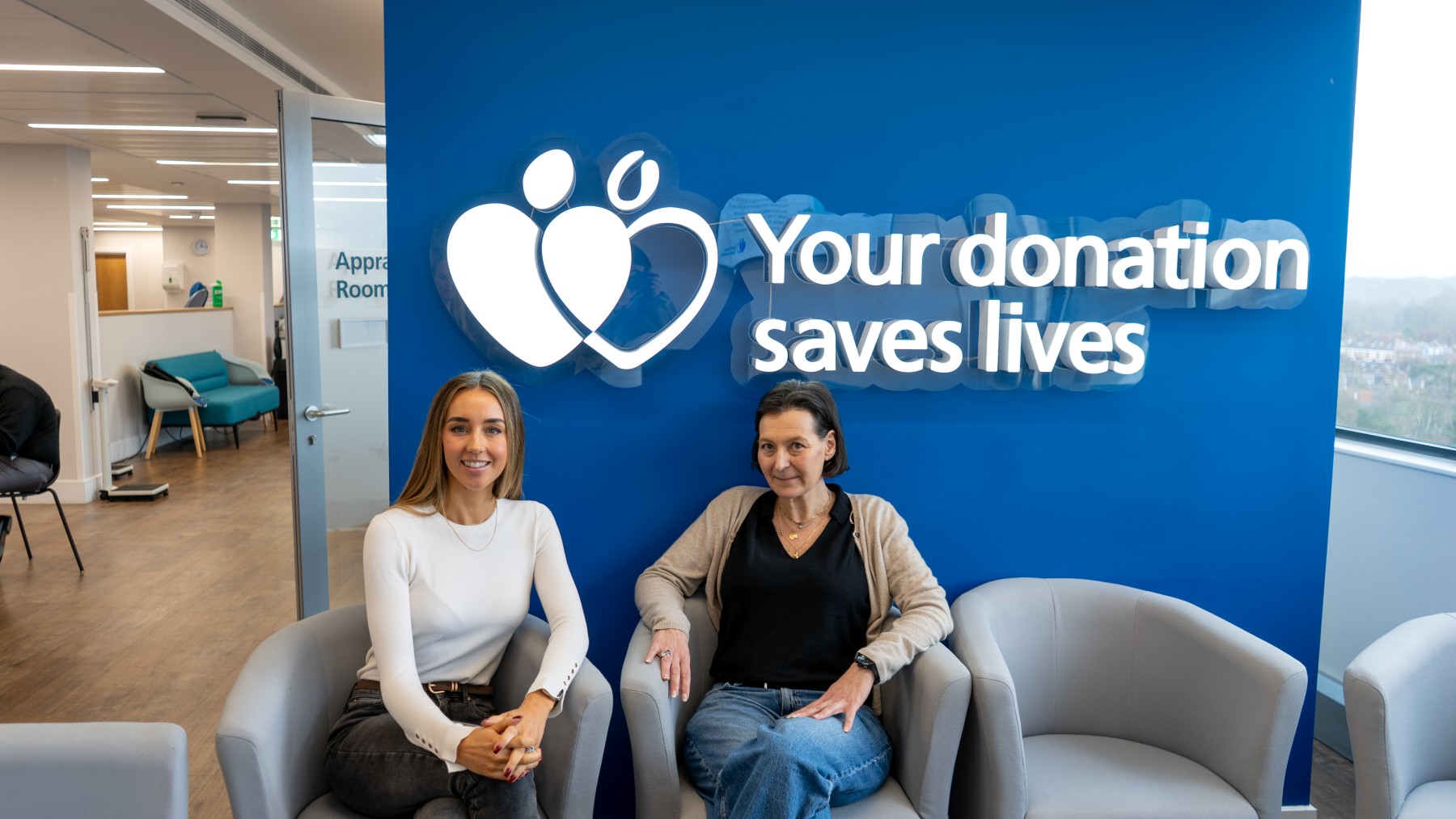 Rebecca Nako, 51, mother of Winifred, now aged 9, is a committed advocate for raising awareness of Kawasaki disease and the importance of plasma donation. Following her daughter's diagnosis and treatment, Rebecca is keen to help ensure parents and carers recognise early warning signs of childhood illnesses and understand the vital role plasma derived medicines play in saving lives.
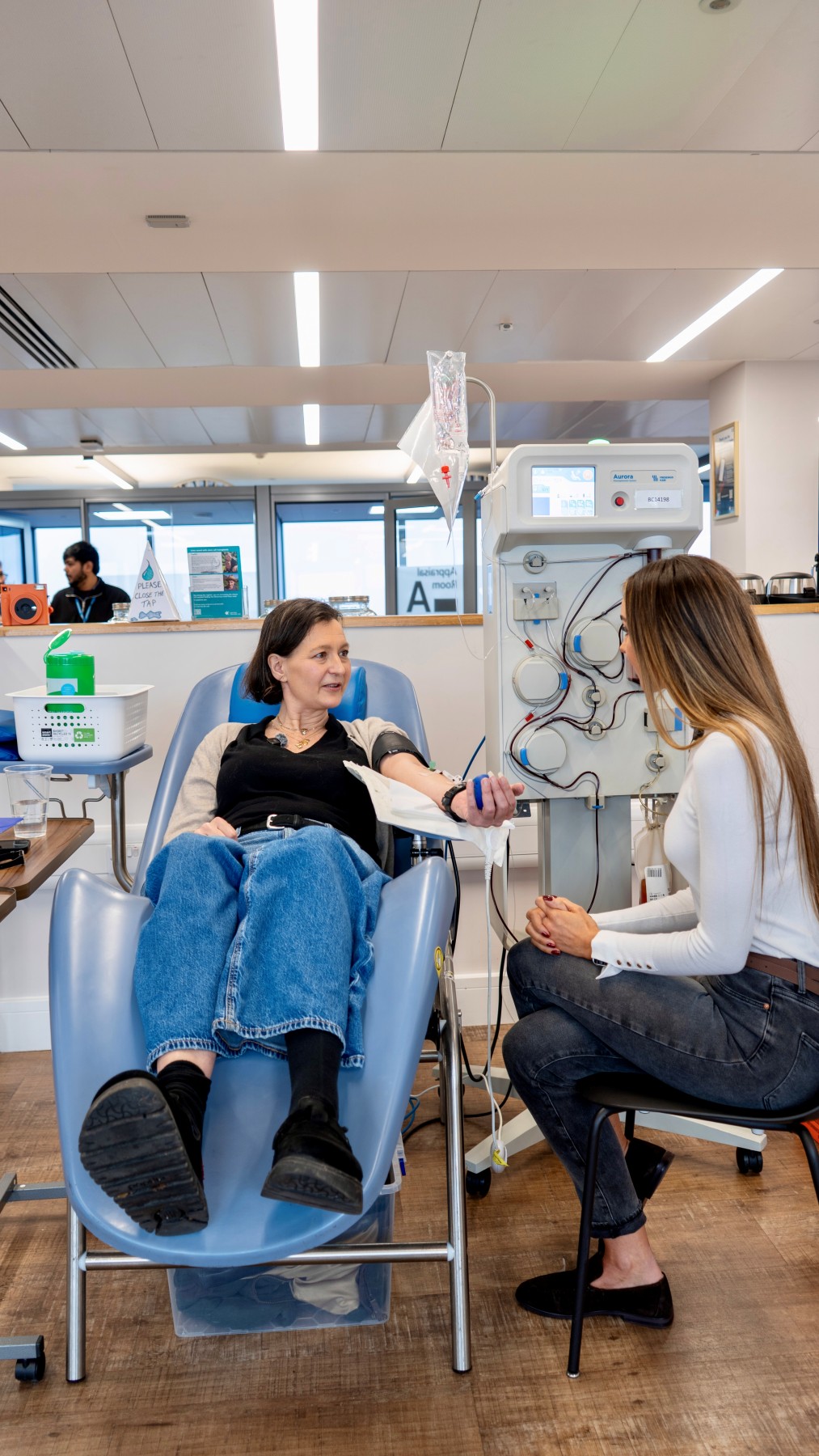
To mark International Kawasaki disease Awareness Day (Monday, 26 January), Dr MacDonagh and Rebecca, a London-based cognitive neuroscience researcher, met up at NHSBT's plasma donor centre in Twickenham. During the visit, Rebecca donated plasma for the very first time, motivated by her daughter Winifred’s experience of Kawasaki disease and the life-saving plasma-derived treatment that helped her recover.
Rebecca and Winifred's story
For Rebecca, raising awareness of the condition is crucial so that parents and carers know when to seek help – and so that children can receive vital treatment as quickly as possible.
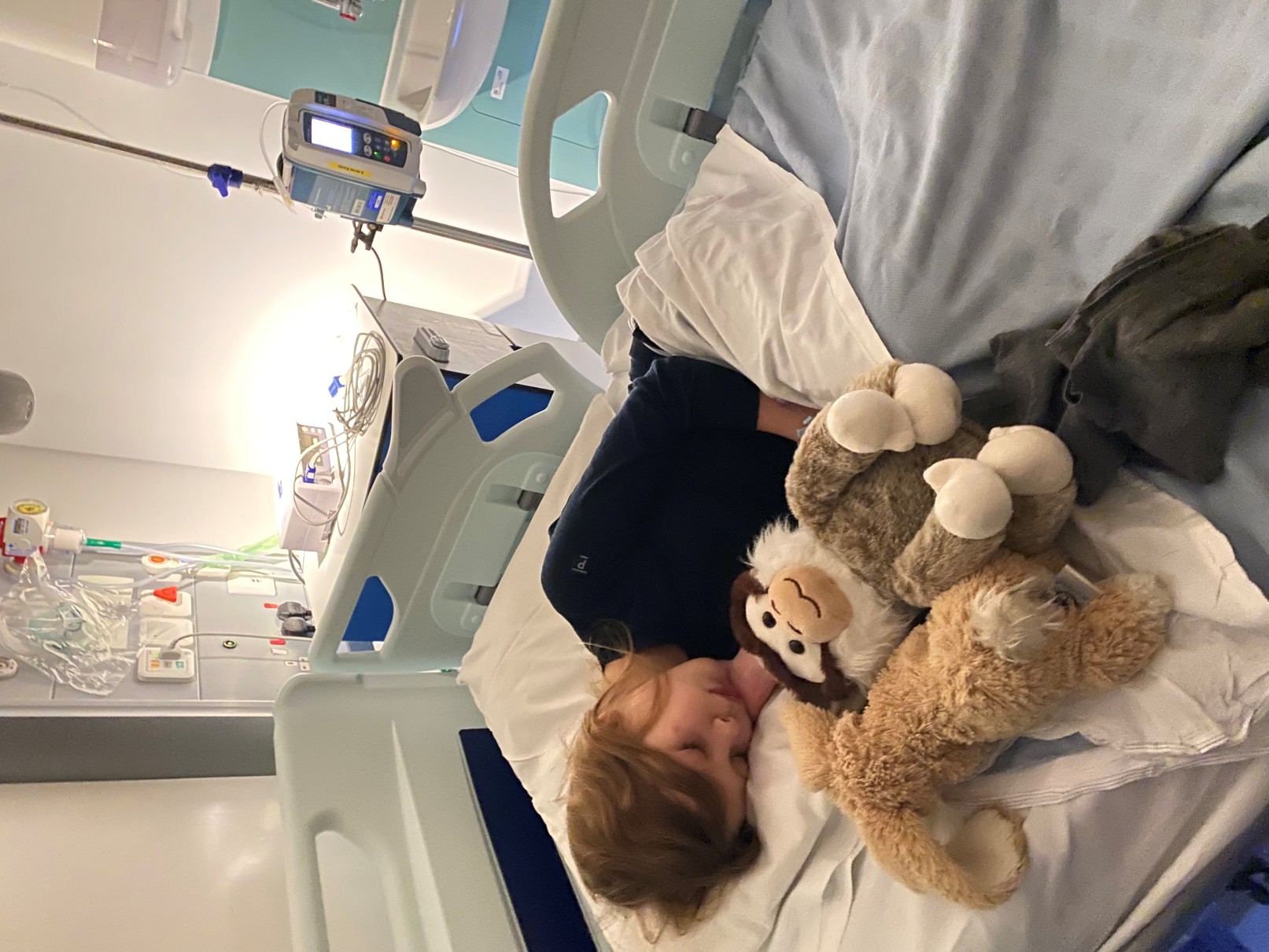 In December 2023, between Christmas and New Year, Winifred, then aged 7, became unwell with a fever that lasted several days. At first, her symptoms appeared mild and similar to seasonal illness.
Rebecca says: "It wasn't like Winifred was massively ill. She wasn't lying on the sofa lifeless – she just had a temperature and generally wasn’t feeling very well."
After several days without improvement, Rebecca sought advice from a friend and took Winifred to hospital as a precaution, however following checks the family were given reassurance and advised to return home. Hoping the symptoms would pass, Winifred returned to school for the start of term, only for Rebecca to receive a call to say that she had developed unexplained hives across her body.
Rebecca shared photos of the hives with another friend, a paediatric A&E consultant, who was coincidentally preparing a training presentation on Kawasaki disease for resident doctors that he was due to deliver at a national event. Whilst presentation of the disease can vary, after reviewing the images, he advised Rebecca to return to hospital so doctors could rule out Kawasaki disease.
Rebecca said: "At that point, I had only ever heard of Kawasaki disease from a Grey's Anatomy episode. I never imagined it could be something that could affect my own child."
Winifred was taken to the Royal Free Hospital in London, where doctors carried out extensive tests, including heart scans. As Rebecca had never previously encountered Kawasaki disease and didn’t have much awareness of how it presents, she admits she was initially worried she might sound overdramatic raising it with hospital staff on their return to hospital.
Winifred was indeed confirmed to have Kawasaki disease – a little known but serious inflammatory condition that can affect the coronary arteries if left untreated. Thankfully, prompt diagnosis meant she was able to receive urgent intravenous immunoglobulin (IVIG) – a plasma derived, time critical treatment that significantly reduces the risk of long term heart complications, which is most effective when given early.
Thanks to early intervention and the plasma-derived IVIG medicines she received, Winifred required only a short hospital stay and avoided more severe outcomes. She recovered well and returned to school after a week.
Rebecca continued: "I am so grateful that we were advised by my friend to go back to hospital when we did. Early treatment made all the difference. Winifred was discharged quickly and was back at school within days."
The photos of the hives on Winifred are now being used by Rebecca's friend – the paediatric A&E consultant who advised her to return to hospital – as a real-life case study in his presentation, helping to educate and train resident doctors to recognise Kawasaki disease.
Now aged 9, Winifred is fit and well and no longer requires ongoing medication, although she continues to attend routine follow-up appointments. She is loving, energetic and full of life – a Liverpool FC fan who loves hip-hop music and is looking forward to swimming for her school later this year.
 Not every child is as fortunate as Winifred. Kawasaki disease can be difficult to diagnose, as its symptoms often resemble other common childhood illnesses. Delayed diagnosis can mean delayed treatment, increasing the risk of long-term heart damage and prolonged hospital stays, including extensive stays in intensive care.
Following Winifred's diagnosis, Rebecca learned more about the vital role plasma donation plays in producing immunoglobulin, a life-saving medicines used to treat more than 50 conditions. This inspired her to give back by becoming a plasma donor herself.
Rebecca said: "I know plasma can be recovered from whole blood donations, but donating plasma directly at one of the 3 dedicated centres means I can donate more frequently. If my donation helps another child get the treatment my daughter needed, then it's absolutely worth it!"
Statements
How you can help
As the signs of Kawasaki disease can resemble many more common childhood illnesses, parents and carers are advised to seek urgent medical advice if a persistent fever is accompanied by any of these symptoms. Early diagnosis and treatment are crucial to reduce the risk of serious heart complications. More information about the disease is available on the NHS website and the Societi website.
Every blood and plasma donor makes a vital contribution to producing these life-saving medicines. To find out more, book an appointment or register as either a blood or plasma donor, please visit our website, download the NHS Give Blood app or call 0300 123 23 23.