
"Plasma saved my dad's life" – daughter donates plasma in honour of father who beat cancer and Guillain-Barré Syndrome
Lauren Marshall, 37, from Alcester, Warwickshire, began donating plasma before her father Tony was ever diagnosed with Guillain-Barré Syndrome (GBS). However, when Tony collapsed without warning in March 2025, plasma-derived medicines became central to his survival and recovery.
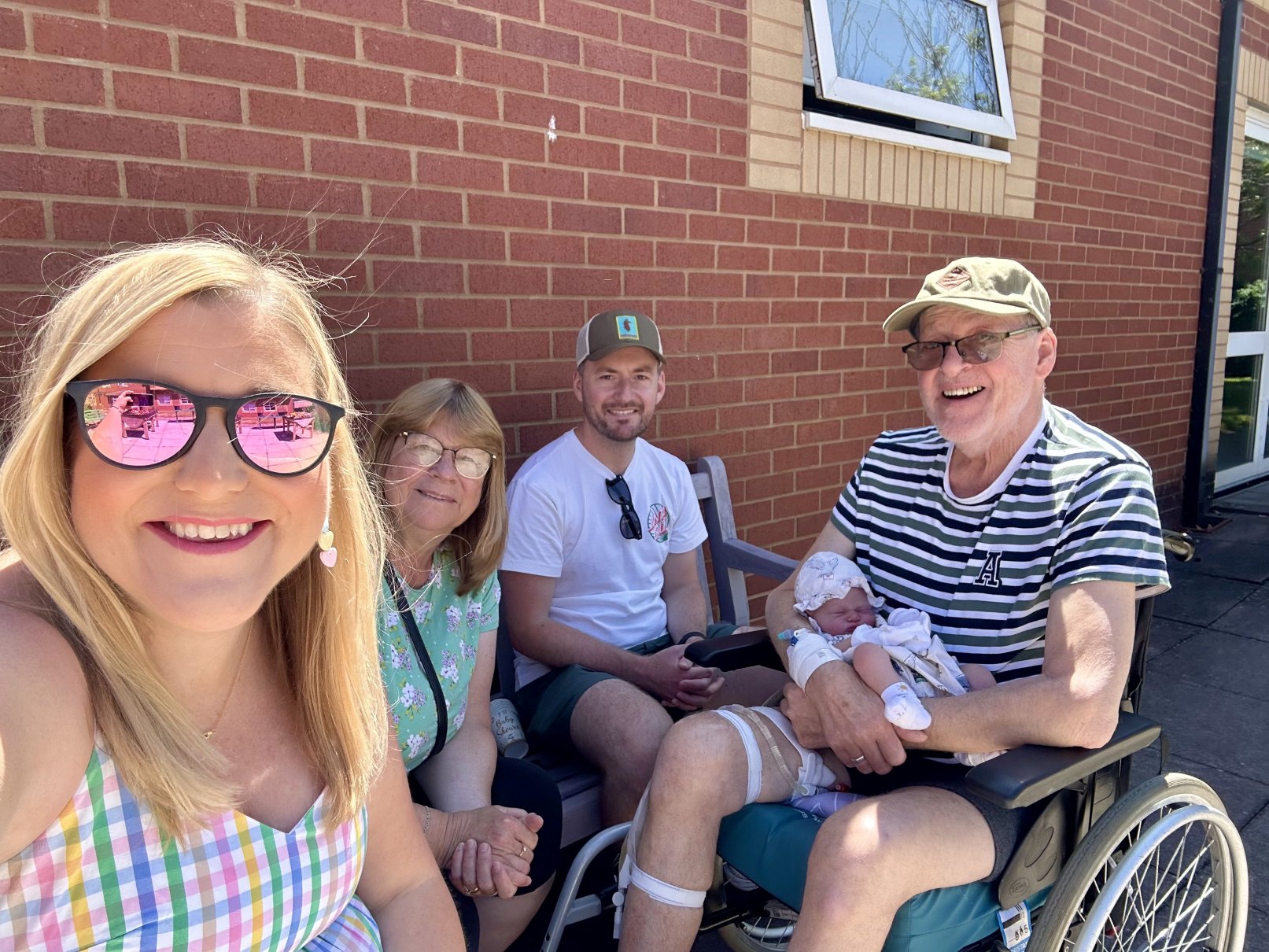 Tony Newitt, 71, previously a blood donor, was diagnosed with bowel and liver cancer in July 2024. After a gruelling period of treatment, he received the news he and his family had been waiting for. End of treatment scans showed no cancer. However, that relief was only brief.
Just 3 weeks after completing his last treatment of chemotherapy, Tony collapsed whilst he was taking the bins out at home.
Tony's wife, Sue, drove him to the Aylesford Cancer Unit in Warwick Hospital where he was looked after during his cancer treatment. Doctors were initially baffled. Lauren recalled the fear her family felt as the cause of her father's fall – and the subsequent loss of use of his lower limbs – remained unknown.
Lauren said: "The staff in hospital didn't know what had happened because it was just like somebody had flipped the switch and he just had lost all use of his body. We all thought it might be brain cancer pushing on a particular part of his brain and causing him to not be able to use his legs. It was all very scary."
Tony's oncologist suggested it could be Guillain-Barré Syndrome. It was a condition the family had never heard of before. A lumbar puncture was performed, which confirmed the diagnosis.
Guillain-Barré Syndrome is a rare and serious inflammatory neuropathy that damages the peripheral nerves, which affects around 1,300 people in the UK each year. It is believed to be caused by an over-reaction of the immune system and leads to the immune system attacking its own body. Sadly, the condition can be life-threatening and even fatal.
How donated plasma helped Tony
Tony was transferred to a neurological ward at University Hospitals Coventry and Warwickshire NHS Trust, where his condition continued to deteriorate. It was at this critical point that Tony received 2 key treatments – intravenous immunoglobulin (IVIG) and therapeutic plasma exchange, both derived from donated plasma. Over 10 days, Tony first received 5 infusions of IVIG, followed by 5 therapeutic plasma exchanges. Within days, his symptoms stabilised and he started to show signs of improvement which allowed him to begin his extensive physiotherapy journey.
Lauren said: "My dad categorically said that the plasma that he received was the only reason he was able to leave hospital and begin to rebuild his life. He says it was the 'liquid gold' that gave him his life back. It is so important to highlight that no level of effort and no amount of physio would have made his recovery possible without the plasma treatments."
Throughout all of this, Lauren was pregnant with her first child, Isabelle. The worry of not knowing whether her father would survive, let alone meet his granddaughter, weighed heavily on the whole family. Isabelle was born in July 2025 but due to strict infection control measures in place to protect Tony's immune system and recovery, Isabelle was unable to visit and meet her grandfather in hospital until August.
 Lauren recalled: "It was a month after Isabelle was born, before my dad was able to meet his granddaughter for the first time. I think that gave him a little bit of extra time so that he could work on his arms so that he could actually hold her himself when they met."
Tony said: "There were times when I honestly thought that my grandchild was going to be my replacement. I genuinely didn't think that my condition could deteriorate any further and get any worse. Before I received the IVIG and the plasma exchange, everything in my body was affected, apart from my cognitive abilities."
Without donors, many people's recoveries would not be possible
Tony had been told it was unlikely he would ever walk again. After months of intensive physiotherapy at Leamington Rehab Hospital, Tony walked out of hospital in October 2025 on his own 2 feet.
Tony said: "I proudly walked out of hospital following a long 6 month stay. It was truly something I will never forget. Due to my age and the spread of the GBS, my prognosis for recovery was not great. I was told I may never walk again. I categorically disagreed and told the doctors that I would walk again and that when I did, I would do it in a tutu – and so I did!"
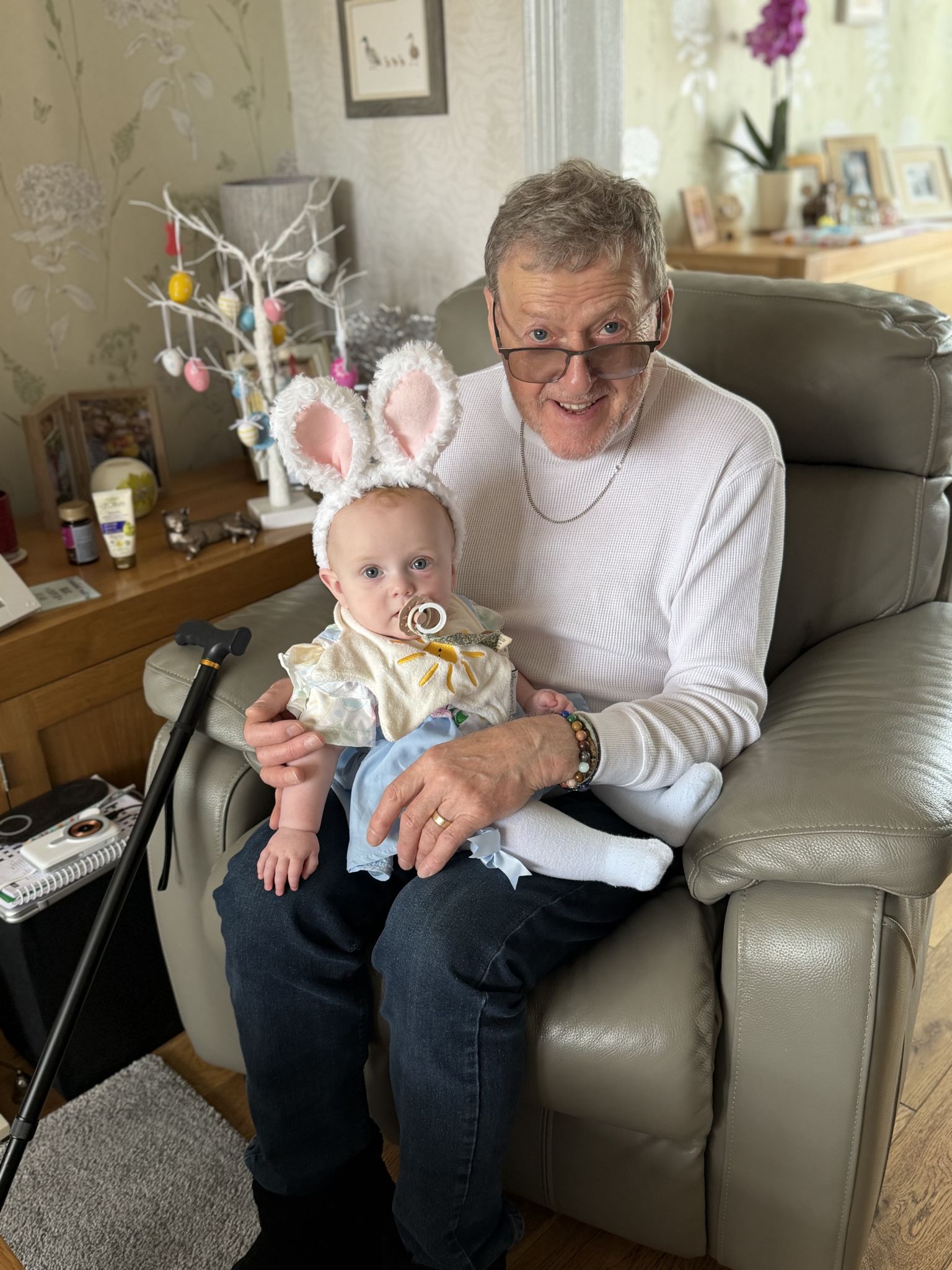
Since being discharged, Tony continues to carry out daily exercises at home, and still experiences neuropathy and fatigue, but is otherwise doing well. In April, Tony was able to enjoy his first family holiday abroad in 3 years.
Tony says: "Without donors, many people's recoveries would not be possible. People often think blood donations are only needed in emergencies, but blood and plasma also help people facing serious illnesses and long recoveries like mine. I encourage everyone who is eligible to consider donating, and I would also like to thank everyone who already does. Their plasma makes essential life-saving medicines."
Lauren's journey as a blood and plasma donor began long before her father's illness. Aged 17, she lost one of her closest friends in a car accident. He had been a dedicated blood donor and after his funeral, Lauren and her school friends gave blood together in his memory. Lauren went on to donate blood 21 times.
When she learnt that a dedicated plasma donor centre had opened in Birmingham, she made the switch to plasma donation. After sharing the importance of plasma donation on her social media, a former colleague, reached out to explain that she herself receives plasma-derived infusions regularly due to an immune disorder.
Lauren said: "When I heard from my colleague, it was the first time I understood the impact that plasma has on patients. Never did I think that plasma would save my dad's life too. Plasma donation is a great thing to try, and I am so keen to get more people aware of it and to sign up. If you are not near a plasma donor centre, you can still sign up and donate blood, because plasma can be recovered from every blood donation too."
Since March 2025, more than 3,200 NHS patients have received life-saving immunoglobulin medicines made from UK-donated plasma for the first time in a generation, following the lifting of a longstanding ban on the use of UK plasma in 2021. The UK now meets 23% of NHS immunoglobulin demand from domestic plasma and while this represents significant progress, the majority of plasma medicines are still imported, primarily from the United States.
NHS Blood and Transplant is working to expand plasma collection and is calling for more donors to come forward, with an ambition to reach 35% self-sufficiency in immunoglobulin by 2030.
Statements
How you can help
Use our website to find out more, book an appointment, or register as a blood or plasma donor, download the NHS Give Blood app or call 0300 123 23 23.