

Autumn 2026 update
In our autumn update, we celebrate 30 years of cord blood donation and a record year for stem cell donation.
Meanwhile, in a world first programme, patients like Tre Henry-Adegoroye are receiving genomically matched blood and mobile blood donor centres are out on the streets of London helping to save lives.
30 years of cord blood donation
This year, we’ve been celebrating three decades of mums and babies saving lives as the NHS Cord Blood Bank turned 30.
The world’s fourth-largest public cord blood bank, the NHS Cord Blood Bank opened in 1996 and has since collected more than 20,000 donations, helping nearly 1,000 patients in 36 countries.
Cord blood is the blood that remains in the placenta and umbilical cord following the birth of a baby. It is rich in stem cells, which can be used to treat many different cancers, immune deficiencies and genetic disorders.
Donations are safe and risk-free for both mother and baby, being given at 3 hospitals where NHS Blood and Transplant has dedicated, expertly trained staff.
These donations have given a multitude of children and adults facing blood cancers, sickle cell disorder and other serious conditions a second chance at life. Find out more about cord blood donation here.
Genomically-matched blood
Patients with conditions like sickle cell disorder have been receiving better-matched blood in a world-first genomic testing programme.
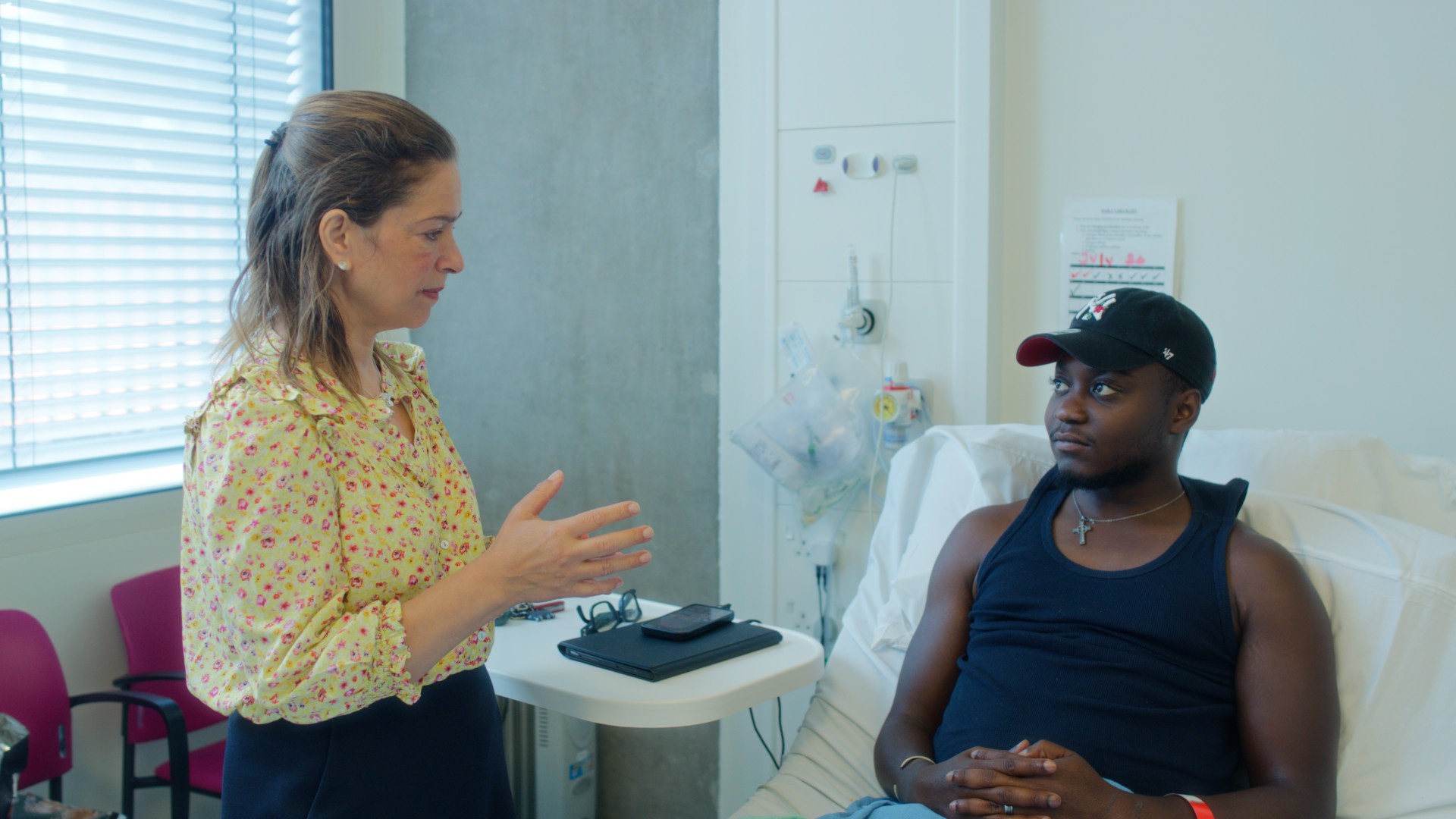 The programme uses DNA-based blood testing to help people like Tre Henry-Adegoroye, who has severe sickle cell and needs regular blood transfusions to stay well. It is the first programme of its kind in the world.
The test identified that Tre, from London, has D variant blood, a rare version of the Rh blood type. This helps to find blood for his transfusions that will not cause any reactions. Around a fifth of patients who receive regular transfusions develop antibodies against certain blood groups.
Around 17,000 people with sickle cell and a further 800 with thalassaemia are being offered the test. The test is also being offered to around 300 people with rare inherited anaemias, such as Diamond-Blackfan anaemia.
A record year
During 2025/26, the NHS Stem Cell Donor Registry saw more than 29,000 new donors signing up to save lives, making it a record year.
Stem cells are the 'building blocks' of the body and can mature into any of the other normal blood cells. For some people with blood cancers and disorders, a stem cell transplant is the only hope of survival.
A larger and more diverse registry means more potential matches for seriously ill patients. NHS Blood and Transplant is urging all blood, platelet and plasma donors aged 17 to 40 to join. There is a particular need for people from minority ethnicities to come forward as donors.
Joining the registry is as simple as telling staff at your next donation appointment.
Find out more about joining the NHS Stem Cell Donor Registry and the donation process.
To the bloodmobile!
A new NHS Blood and Transplant bloodmobile is visiting selected London locations to help in the bid to bring on board more Black heritage blood donors.
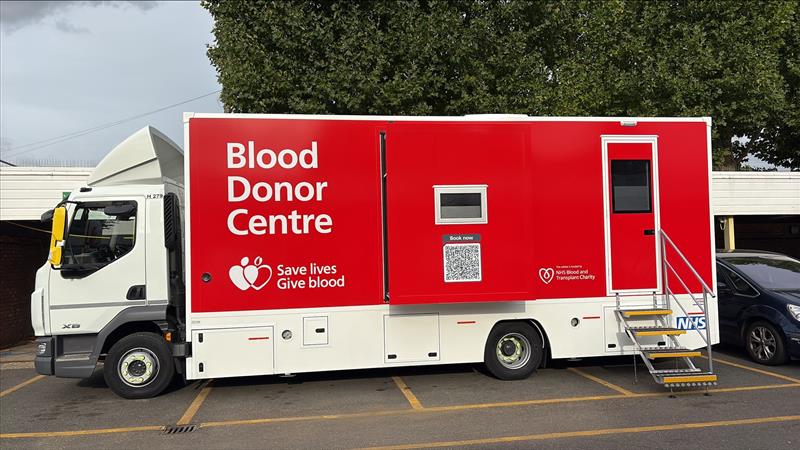 The bloodmobile – also referred to as the mobile blood donor centre – was launched officially at the Emirates Stadium with the aim of bringing blood donation closer to people’s homes and places of work.
More donors of Black heritage are needed to meet the growing demand for closely matched blood in treating conditions like sickle cell disorder.
The bloodmobile will visit many London locations over 12 months, including Greenwich, Bromley, Lewisham, Lambeth, Richmond, Wandsworth, Hounslow, Ealing, Wembley, Harrow, Enfield, Walthamstow, Hackney and Barking.
Mark Chambers, Director of Donor Experience, says: "We're delighted to be bringing our bloodmobile to London and, importantly, bringing blood donation closer to the communities we know want to play their part in saving lives.
"We want to make it as easy and accessible as possible for people of Black heritage to become blood donors and help ensure patients living with sickle cell can receive the best matched blood they need."