

NHS Blood and Transplant changes the way it reaches Black Londoners, bringing blood donation directly into communities
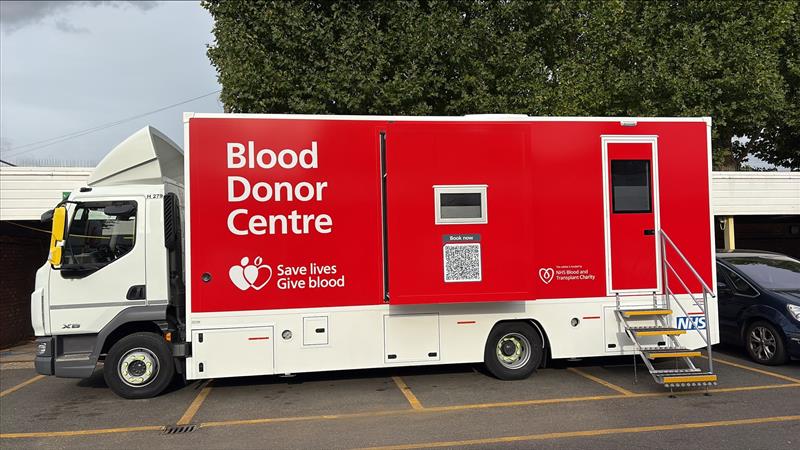 NHS Blood and Transplant (NHSBT) is bringing blood donation directly to communities across London with the return of a brand new bloodmobile (also referred to as the Mobile Blood Donor Centre), designed to make it easier for people to donate blood closer to where they live or work.
The new bloodmobile will visit selected London locations in order to bring on board more Black heritage donors and meet the growing demand for closely matched blood needed by patients living with sickle cell disorder.
The bloodmobile officially launched today at Emirates Stadium, having already begun visiting selected London locations.
Brenda's story
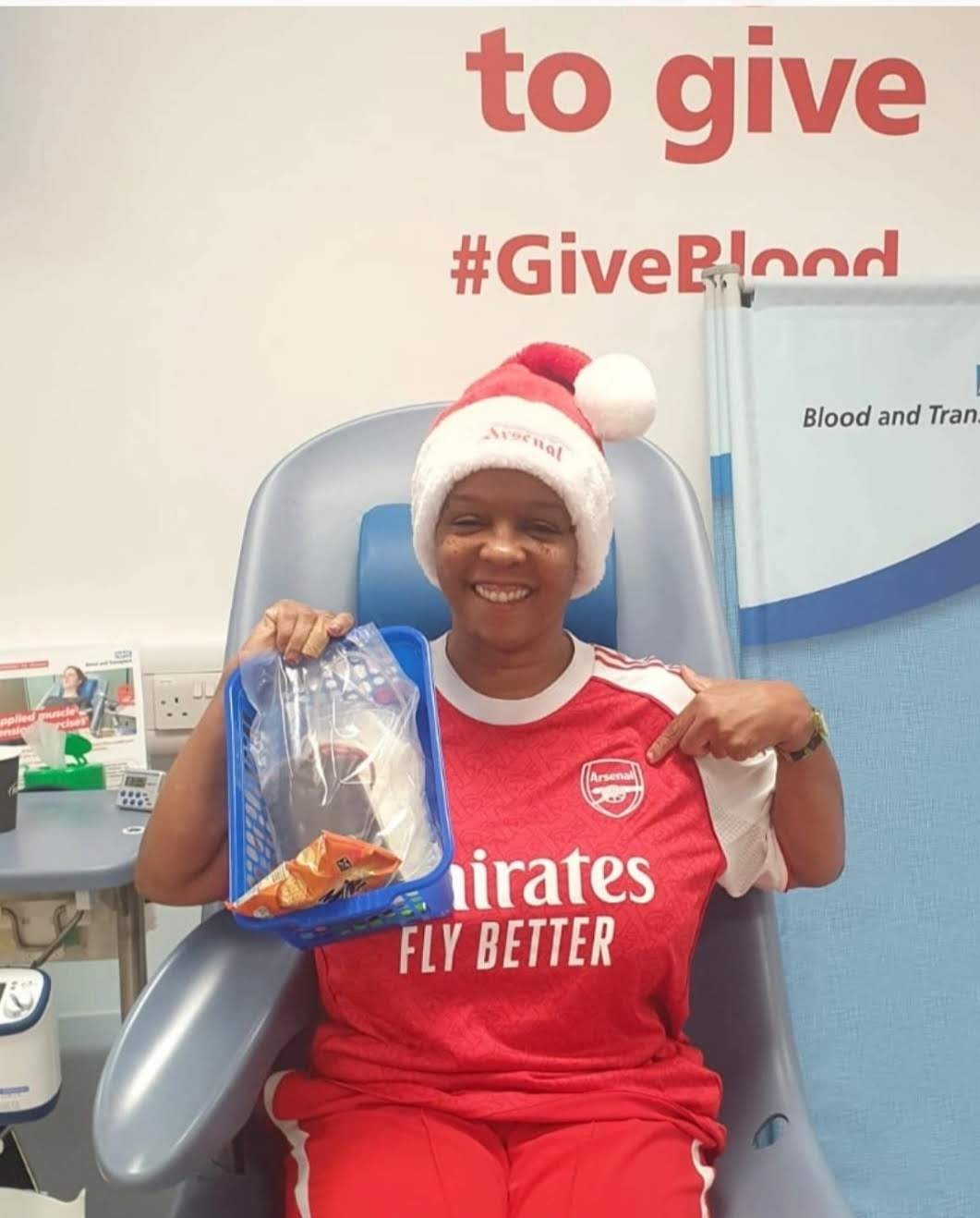 For Londoner, Brenda Smith, seeing a bloodmobile was all it took to start a blood donation journey that has now lasted more than 30 years.
Brenda was 21 and working near London Bridge when she spotted an NHS bloodmobile parked. One day after work, she decided to avoid the crowds at the train station, walked onto the mobile and donated blood.
"I just happened to see the bloodmobile and thought, "why not?" I had no idea that one decision would lead to something I would continue doing for decades!"
That first spontaneous donation became the beginning of a lifelong commitment. Brenda has now made 56 blood donations, and estimates that her donations could have helped save or improve the lives of up to 168 patients.
"I've been a blood donor for over 30 years now, so it’s amazing to think how many patients my donations will have been able to help and save during that time. Donating blood has become part of who I am, I encourage anyone who is eligible to consider becoming a donor."
Brenda is particularly passionate about encouraging more people from Black communities to donate, having learned more about the need for Black heritage donors to help patients living with sickle cell.
People of Black African and Black Caribbean heritage are 10 times more likely to have the Ro blood subtype, which is particularly important for treating people with sickle cell who require regular transfusions.
Brenda hopes that the arrival of the bloodmobile in specific London communities will encourage more people, particularly younger generations, to take that first step.
"If you're thinking about donating, just do it. It's quick, it's easy, and you walk away knowing you've helped someone in desperate need. That's an incredible feeling."
Sickle cell is the fastest growing inherited blood disorder in the UK, with more than 19,000 people living with the condition and around 300 babies born with it each year. It is estimated that over half (10,000) of these patients will live and receive treatment within the London area.
People living with severe sickle cell can experience episodes of extreme pain and may require regular blood transfusions.
NHSBT currently needs 16,000 extra new Black heritage blood donors to donate regularly in England. Black heritage donors are 10 times more likely than white donors to have a vital blood type called 'Ro' which is needed for treating people with sickle cell. Currently across the country, the NHS can only supply half of the Ro blood needed to treat those with sickle cell.
For Brenda, her experience demonstrates exactly why bringing blood donation into communities can make a difference.
"You never know whose life you could help save. One donation can make a difference to a stranger and their family. If you're eligible to, please donate."
Henry's story
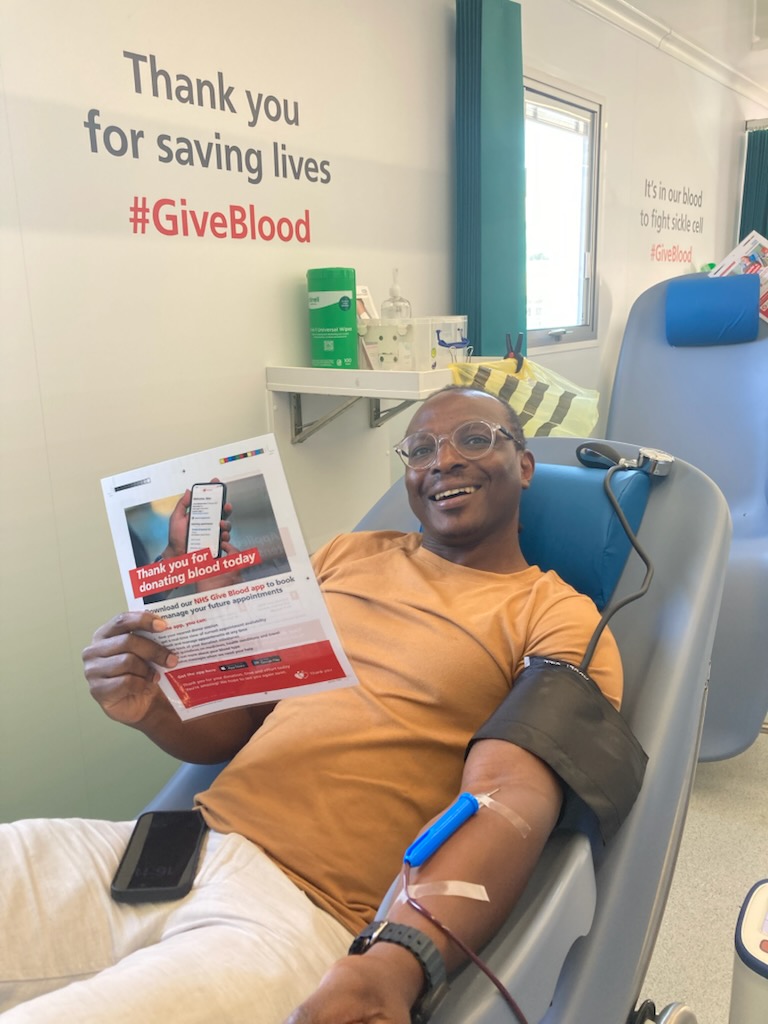 For South-east Londoner, Henry, he was inspired to become a blood donor as it was a way of honouring his late brother and being able to help families through moments of crisis.
"Being the first black heritage person and Ro donor to donate on the new bloodmobile is particularly meaningful to me. My own experience of losing my brother, Leonard, after he became seriously ill and needed blood, showed me just how important donors can be to families in their most difficult moments. This thought is always with me when I'm booking my blood donation appointment.
"As a Black heritage donor, I know that my blood could help someone who needs a closely matched donation, particularly patients living with sickle cell. I hope sharing my story of my recent blood donation on the bloodmobile will encourage more people from our communities to step forward. You may never know whose family your blood donation will touch, but you'll know you’ve done something that could save or improve someone's life."
The bloodmobile is being trialled as NHSBT explores whether a more visible and accessible approach to blood donation can help reach potential donors who may face barriers to accessing traditional donation venues.
Statements
How you can help
Eligible donors can also join the NHS Stem Cell Registry, directly during their blood donation appointment. Eligibility requirements include being 17 to 40 years old, in good general health, and meeting standard blood donation health criteria.
The bloodmobile will visit London locations including; Greenwich, Bromley, Lewisham, Lambeth, Richmond, Wandsworth, Hounslow, Ealing, Wembley, Harrow, Enfield, Walthamstow, Hackney and Barking plus many more areas over 12 months, giving people the opportunity to donate closer to where they live, work or study.
NHSBT are encouraging members of the public to suggest relevant London locations for the bloodmobile to visit, to make it easier for more people of Black heritage to become blood donors. Typical requirements include parking space for bloodmobile (6 to 8 standard car parking bays), operating hours of 8:30am to 6pm or 11:30am to 9pm and access to toilet facilities. To suggest a potential venue, email venue.developmentteam@nhsbt.nhs.uk
Find where the bloodmobile's next location or to review all appointments closest to you on our website.