
“I can lead a normal life”
Tiffany Salako was diagnosed with sickle cell disorder as a baby. While growing up she experienced many crises, which affected her breathing and ability to walk, and she remembers her childhood as being in and out of hospital.
Tiffany's story is not unlike those of many others living with sickle cell. Every year, 300 babies are born with the condition – it is the UK's fastest growing genetic disorder.
The crises that marred Tiffany's childhood and thousands of others are a result of the sickle-shaped red blood cells from which the condition gets its name getting stuck in blood vessels. These crises are excruciatingly painful and can be life-threatening.
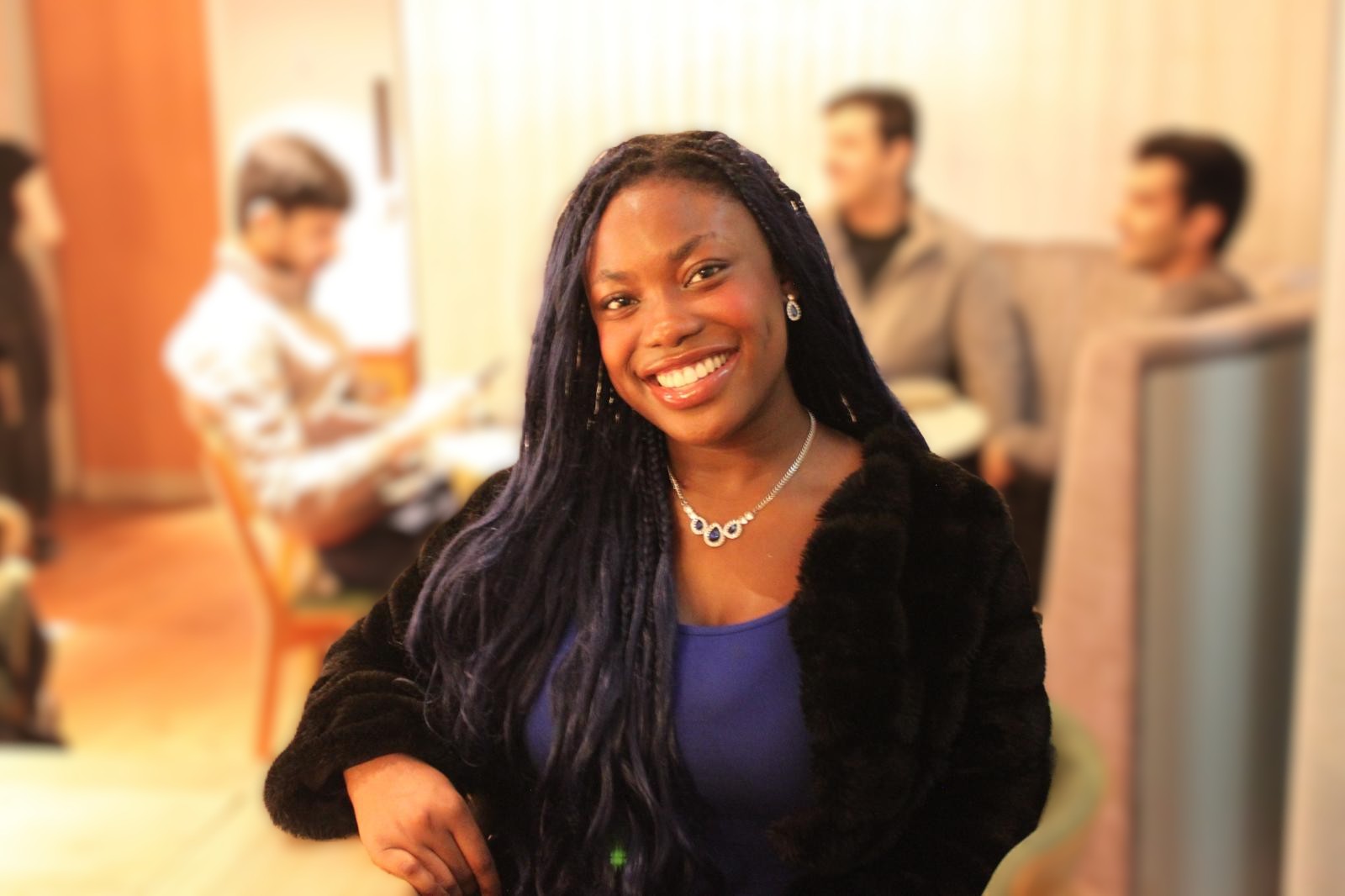 "I didn't really get a normal childhood," says Tiffany, now 19. "It made me grow up very quickly.
"The pain of a crisis can be terrible. I get pain in my legs and I struggle to walk. I have to spend a lot of time in bed, and I can't eat.
"During the worst ones I can't breathe. It's frightening."
In her early teens, Tiffany's hospital admissions became more frequent, but she was unable to receive blood transfusions to treat her crises due to her high iron levels.
During one crisis her pain was so bad she was admitted to the high dependency unit.
Then, at 15, Tiffany's life was about to change. She was placed on the red cell exchange programme run by NHS Blood and Transplant's Therapeutic Apheresis Services.
Red blood cell exchanges replace a patient's red blood cells with blood from donors and help to prevent crises. Tiffany receives an exchange every six weeks.
"The exchanges have made such a difference to my life," she says. "Afterwards I feel good and any weakness is gone. I'm so much more active now. I still get pain sometimes, but I haven't suffered a crisis or been admitted to hospital since. I can lead a normal life.
"I hate the idea of being put in a box of being a sick person. Yes, it's something I live with, but it doesn't define me."
Tiffany is currently studying medicine at university and thanks blood donors for the normality she can finally enjoy.
People like Tiffany who receive regular transfusions need to be given closely matched blood to avoid medical complications. One of the most important matches is the lifesaving Ro subtype.
Ro subtype blood is in high demand. We need Ro donors of all ethnicities to give blood.
"Before I started getting exchanges, I hadn't really thought about blood donors," Tiffany says. "The idea that people give blood, especially if they don't know anyone with sickle cell, is incredible. They are doing a great thing.
"I'm so grateful, they have changed my life. They have enabled me to have a life.
"The people who helped me have made me well enough to become a doctor and hopefully I'll go on to help many more people."
To book an appointment to give blood, log in to your online account.