

20 years of sickle cell screening
Caz Fyneface was among the first generation of babies to be diagnosed with sickle cell disorder through the NHS ‘heel prick’ test.
Almost 300 babies in the UK are born with sickle cell disorder every year.
England's fastest-growing genetic disorder, sickle cell disorder affects the shape of red blood cells, making them prone to blocking blood vessels. Those blockages cause extreme pain and a host of health complications. It is a serious and life-threatening condition for thousands of people like Caz.
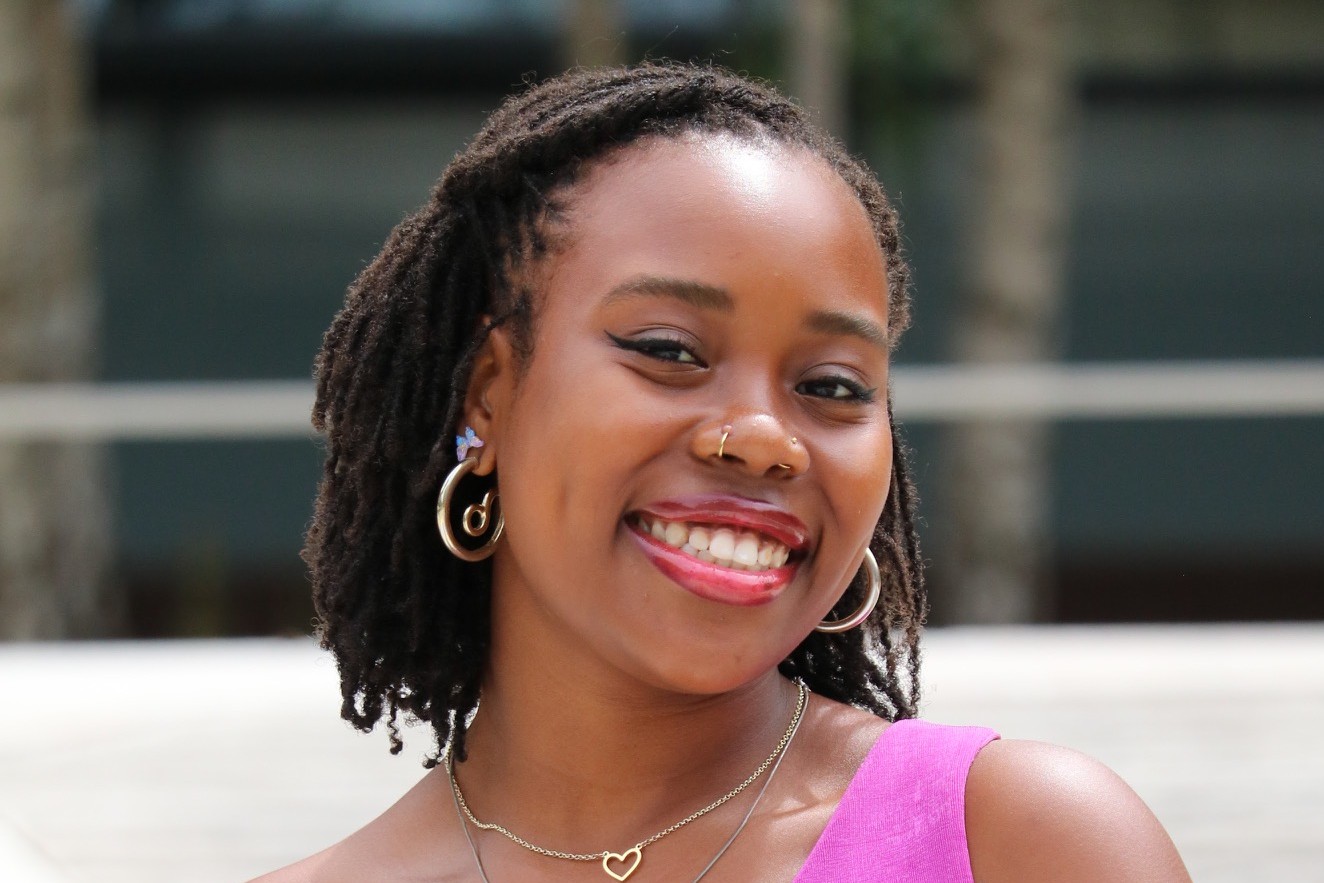 Caz Fyneface had her first crisis – the term for the painful episodes blocked blood vessels bring on – at 13. They continued in the years that followed, and Caz found herself in hospital repeatedly. It affected not just her health, but her education, friendships, and social life, too.
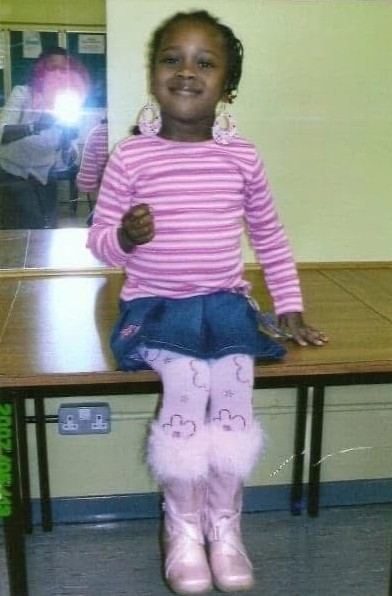
Yet as hard as those years were for her, Caz counts herself lucky. Now 23, Caz was among the first generation of babies to be diagnosed with sickle cell through the NHS Newborn Bloot Spot Screening Programme (informally known as the heel prick test).
Introduced 20 years ago, the test screens babies for sickle cell, among other conditions. For Caz, it meant having a level of awareness and earlier treatment earlier generations may not have had. Previously, many children with sickle cell were only diagnosed with it after becoming seriously unwell.
"Without the heel prick test, I may not have known I was living with sickle cell," says Caz.
"Growing up, sickle cell was rarely discussed at home, I was often told there were things I could not do without fully understanding why. I was the only person in my family living with the condition."
Caz still faced many difficulties with her condition, however. The hospitalisations were frequent and the pain was "frightening."
 In January 2024, though, Caz began regular red cell exchange treatment. This treatment replaces a patient's red cells with those from donors every few weeks. Each time, multiple units of blood are used, meaning someone like Caz may need to rely on the support of around 60 blood donors every year.
The benefits are huge. Thanks to the blood she receives, Caz has been able to complete a degree in Law with Criminology at Oxford Brookes University and is now preparing to qualify as a solicitor and start the legal practice course after relocating to Manchester.
"It wasn't until I started receiving regular blood exchanges that my hospital admissions have become less frequent," she says. "Crises are generally better controlled, and my overall quality of life has improved."
People like Caz need to be given closely matched blood to avoid medical complications from the antibodies that regular transfusions can form.
To continue to treat sickle cell effectively and enable Caz and 19,000 others like her to live normal lives, the NHS needs more blood donors with closely-matching blood.
That means more donors from Black heritage backgrounds, and more donors with the Ro subtype. Currently, just 3% of donors are of Black heritage, and similarly, just 3% of donors have the Ro subtype.
To book an appointment to donate, whatever your background or blood type, log in to your account at my.blood.co.uk.