

NHS leaders calling for more blood donors after 20 years of newborn sickle cell screening
20 years after the introduction of newborn screening for sickle cell disorder in England, NHS leaders are calling for more people to become regular blood donors as demand for lifesaving transfusions continues to rise.
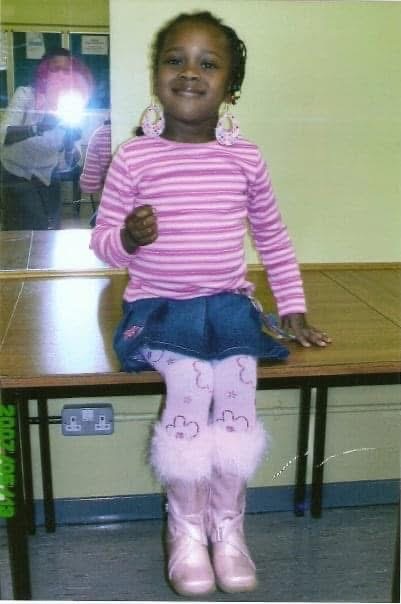 The screening programme has helped transform outcomes through earlier diagnosis and specialist care, contributing to a growing population of more than 19,000 people now living with sickle cell disorder, making it England's fastest-growing genetic condition.
Yet despite this progress, the NHS can currently meet only around half of the blood demand for patients with sickle cell who rely on regular transfusions, prompting renewed calls for more donors, particularly those of Black heritage, to come forward and help save and improve lives.
Caroline 'Caz' Fyneface , 23, a law graduate from Croydon, London, was among the first generation of babies diagnosed with sickle cell disorder through the NHS Newborn Blood Spot Screening Programme (informally known as the heel prick test).
For the first few years of her life, Caz experienced very few sickle cell symptoms; however, at 13 she had her first serious sickle cell crisis. Following that first crisis, hospital admissions for Caz became increasingly frequent, sometimes occurring every month or couple of months. The impact extended beyond her health, affecting her education, friendships, and social life as well as her overall physical and mental health.
In January 2024, Caz began regular red cell exchange treatment. Every seven weeks, seven to eight bags of donated blood are used during her exchange. Red cell exchange works by removing a patient's sickled red blood cells and replacing them with healthy red blood cells donated by other people.
Today, thanks to the blood she receives, Caz has been able to complete a degree in Law with Criminology at Oxford Brookes University and is now preparing to qualify as a solicitor and start the legal practice course after relocating to Manchester.
Caz says:
"Without the heel prick test, I may not have known I was living with sickle cell. Growing up, sickle cell was rarely discussed at home, I was often told there were things I could not do without fully understanding why. I was the only person in my family living with the condition.
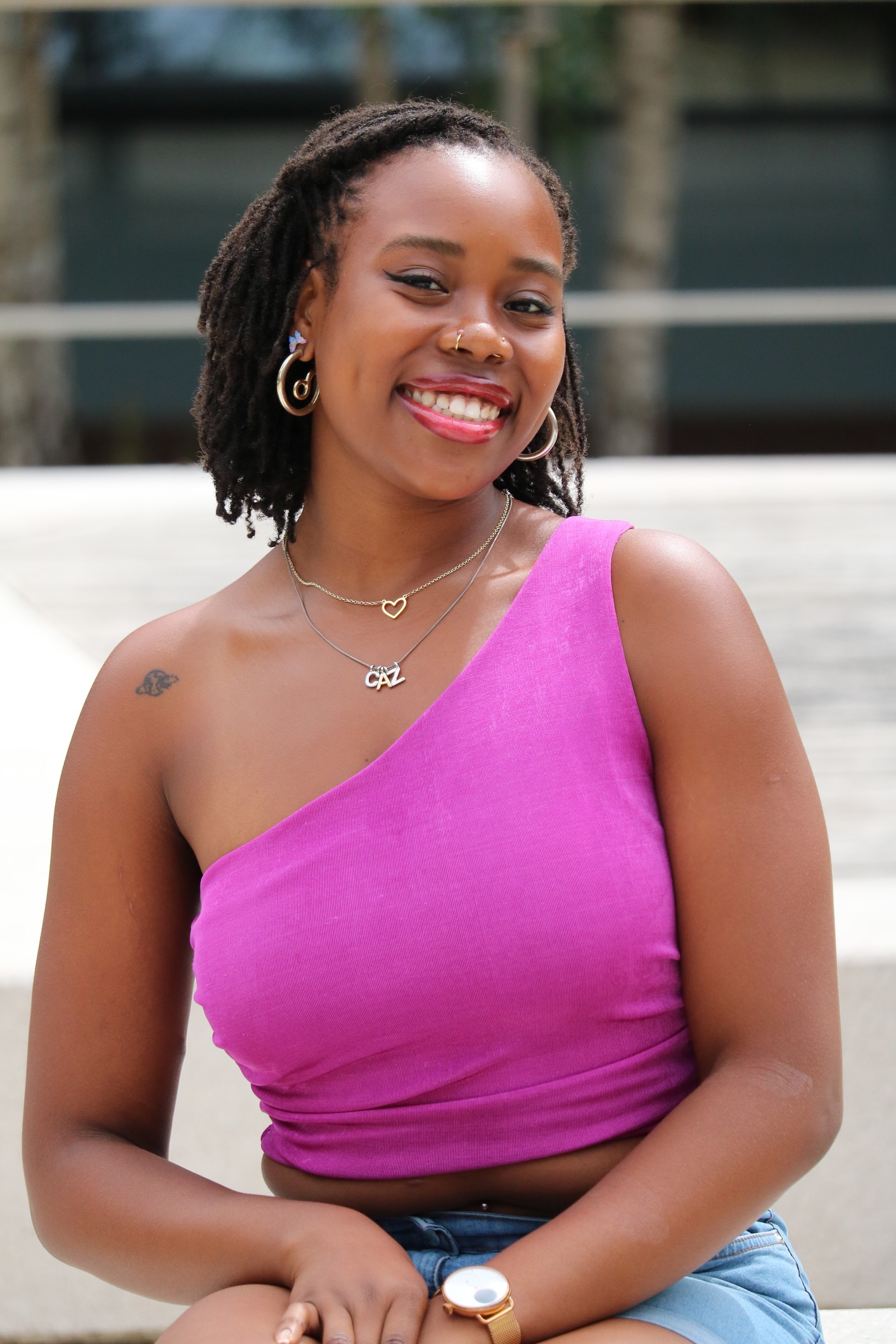 "I was 13, when I experienced my first major sickle cell crisis and was admitted to the hospital. The severe pain was frightening. Despite many different treatments and medications, these didn’t make much difference or reduce the number of crises I had.
"It wasn’t until I started receiving regular blood exchanges, that my hospital admissions have become less frequent; crises are generally better controlled, and my overall quality of life has improved."
Before newborn screening became universally available, many children with sickle cell disorder were only diagnosed after becoming seriously unwell, sometimes with life-threatening complications. Since the early 2000s, early diagnosis has changed this outlook, identifying babies before symptoms develop, and enabling earlier support and treatment.
Changing treatment guidance, now also provides more patients with proactive full blood exchanges or transfusions to try and reduce and manage the number of painful 'crises' that patients experience, rather than waiting till these occur and only treating reactively once a patient is already in serious pain.
While advances in screening, specialist care and treatment have helped more children born with sickle cell survive and thrive into adulthood, demand for the closely matched blood many patients rely on has risen sharply.
Yet the NHS can currently supply only around 50 per cent of the blood needed by people with sickle cell, prompting an urgent appeal for more donors to come forward and help meet growing demand.
Gerry Gogarty, Director of Blood Supply at NHS Blood and Transplant, says:
"With improvements to both diagnosis and treatment of sickle cell over the past twenty years, we now have more people with sickle cell reliant on regular blood transfusions than ever before.
"Blood donors play a vital role in keeping these patients alive and as well as possible, but the demand for blood to treat these patients is currently growing faster than we can collect and supply it.
"We have seen an incredible response from our amazing donors across the country, with the number of donors of Black heritage rising by 120 per cent over the past decade – but we still urgently need more people to come forward to become regular donors and help us give the very best treatment to even more patients."
There is a particular need for more people of Black heritage to come forward, as they are more likely to provide the closest match for many people with sickle cell. This is because people of black heritage are 10 times more likely than white people to have Ro blood subtype, which is vital to treat people living with sickle cell.
NHS Blood and Transplant has estimated that at least 16,000 extra Black heritage donors are currently needed to help meet current demand. This would mean growing the current donor base by an extra three-quarters.
Yann-Elie Asket, 22, a politics student from Greenwich, was inspired to become a blood donor having experienced the loss of his cousin, who died when he was younger, due to sickle cell complications.
Today, his passion is further driven due to his close friend Abi, living with the condition.
Yann-Elie Asket says:
"Growing up, I lost my younger cousin Faith to sickle cell. I still remember how much her passing changed our family and how deeply it affected the people closest to her, especially her parents. When you lose someone so young, you realise just how precious life is and how important it is to do whatever you can to help someone else keep theirs.
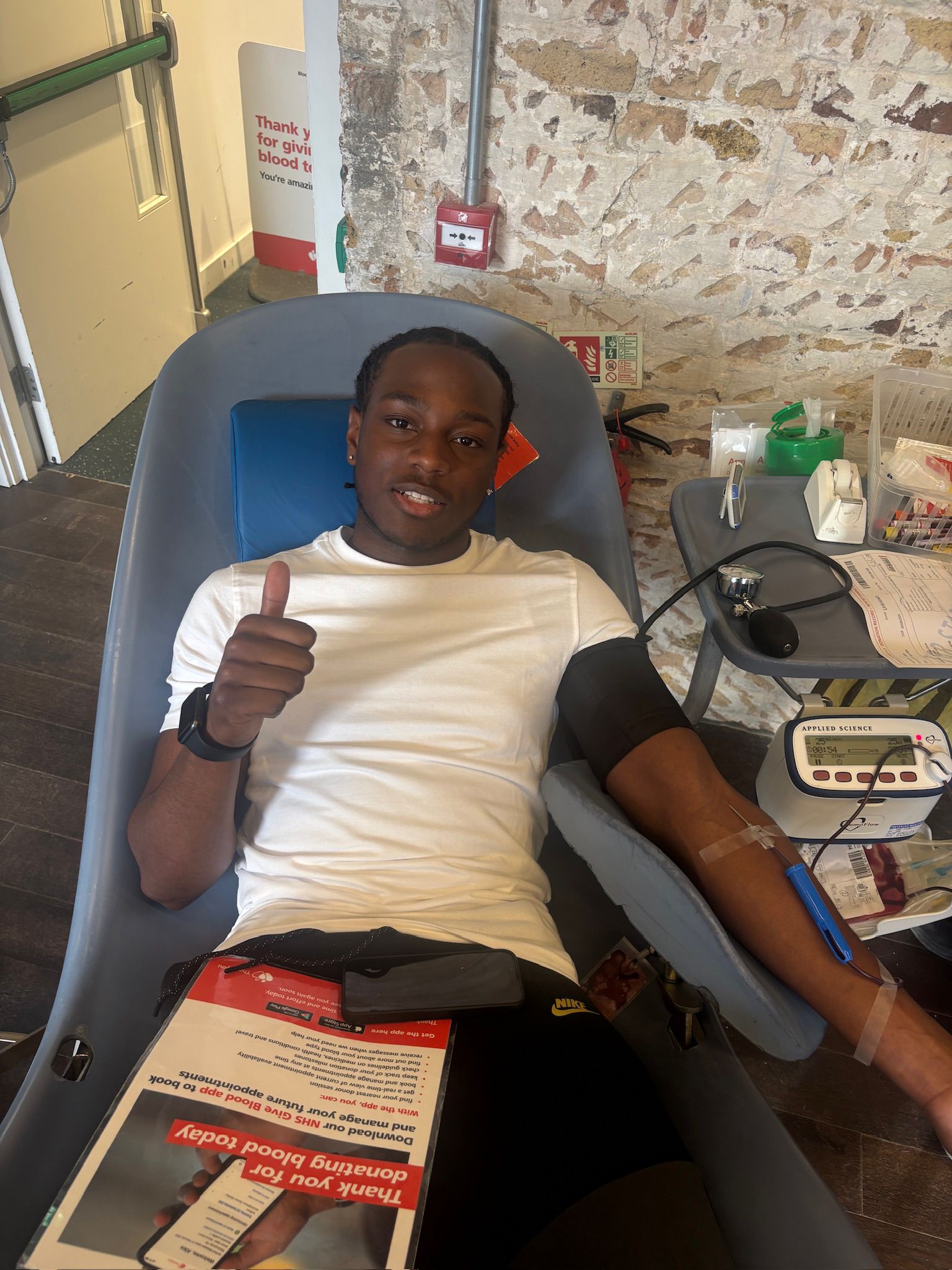 "Seeing what my friend Abi goes through has given me even more reason to keep donating. I regularly see her campaigning and raising awareness, while at the same time dealing with hospital visits, pain and regular blood transfusions herself. Sometimes it is difficult knowing there is not much I can personally do when I see someone I care about going through that. I can give her encouragement and be there for her, but donating blood is one of the few ways I can physically help too. Blood donation can genuinely help save or change somebody else’s life. For me, that makes donating one of the easiest and most meaningful things I can do."
Iyamide Thomas, NHS Engagement Lead for Screening Programme, at Sickle Cell Society, says:
"The past 20 years have brought significant progress for people living with sickle cell disorder. Newborn screening means babies can be diagnosed before they become seriously unwell and connected to specialist care from the very beginning of their lives. As Caz's story shows, this early diagnosis is only the start of a person's journey with sickle cell.
"We are now seeing the benefits of advances in treatment, including red cell exchange, which can make a profound difference to people who experience frequent and severe sickle cell crises. But these treatments depend on having access to a reliable supply of closely matched blood.
"As the number of people living with sickle cell continues to grow, it is vital that we have enough blood donors to meet this increasing need. We particularly want to encourage more people of Black heritage to come forward and donate. By giving blood regularly, donors can play a direct role in helping people with sickle cell live healthier and more independent lives."
Twenty years on, the anniversary provides an opportunity to continue raising awareness of sickle cell disorder, encourage parents to take up screening and highlight the urgent need for more donors to support patients who need ongoing blood transfusions.
Dr Dianne Addei, Director of the National Healthcare Inequalities Improvement Programme, NHS England, says:
"Twenty years of universal newborn screening has given a generation of children with sickle cell the chance of an earlier diagnosis and care – and we remain committed to ensuring this progress is matched throughout their lives with safe and effective NHS treatment when they need it.
"For many, that treatment depends on regular transfusions and closely matched blood, so I would encourage everyone – especially people of Black heritage – to consider donating blood.
"Building a donor base that better reflects the communities the NHS serves is fundamental to reducing inequalities in access, experience and outcomes."
NHS Blood and Transplant have worked to introduce a number of improvements to make it easier for those who want to donate. This includes extra community sessions in areas where we have more donors of Black heritage, a new donor centre in Brixton, ongoing improvements to haemoglobin testing, and most recently, priority access to appointments for all donors of Black heritage, once registered.
How you can help
Register and book an appointment to donate on our website, the NHS Give Blood app or by calling 0300 123 23 23.