
First anniversary of UK-derived plasma medicines
NHS Blood and Transplant (NHSBT), NHS England and the Department of Health and Social Care are today (Tuesday, 10 March) marking 1 year since the first NHS patients in a generation began receiving life-saving medicines made from the plasma of UK donors – a landmark achievement that has transformed the UK's ability to supply and secure vital treatments for thousands of people with serious and life-threatening conditions.
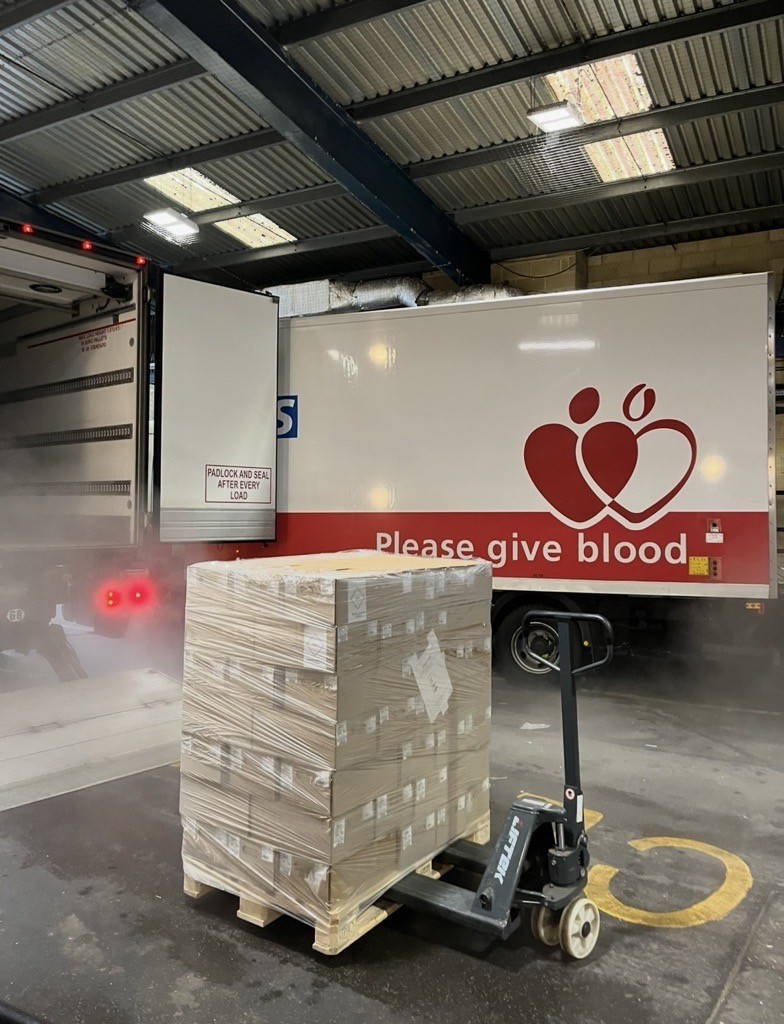 1 year ago, following the lifting of a longstanding ban on the use of UK plasma in 2021, NHS patients received immunoglobulin treatment made from UK-donated plasma for the first time in 25 years.
Over the year, the roll out has expanded and numbers have grown, with 3,286 patients – including around 1,500 with chronic conditions requiring long-term infusions – now receiving UK-derived immunoglobulin. Thousands of patients have also benefitted from UK plasma-derived albumin.
The UK's plasma collection programme, led by NHSBT, has now enabled more than 758,000 litres of UK plasma to be made into vital plasma-based medicines, including immunoglobulins and albumin, before bringing them back for use in NHS hospitals.
Based on figures covering the period from 1 April to 31 December 2025, the UK product accounted for approximately one-fifth of immunoglobulin volume (20%, equating to 1.1 million grams) and nearly three-quarters of albumin volumes (72%, equating to 5.2 million grams) supplied to the NHS.
This is a remarkable British success story – built from nothing, shaped by the generosity of tens of thousands of blood and plasma donors across England, and delivered through the dedication of NHS staff.
Niall's story
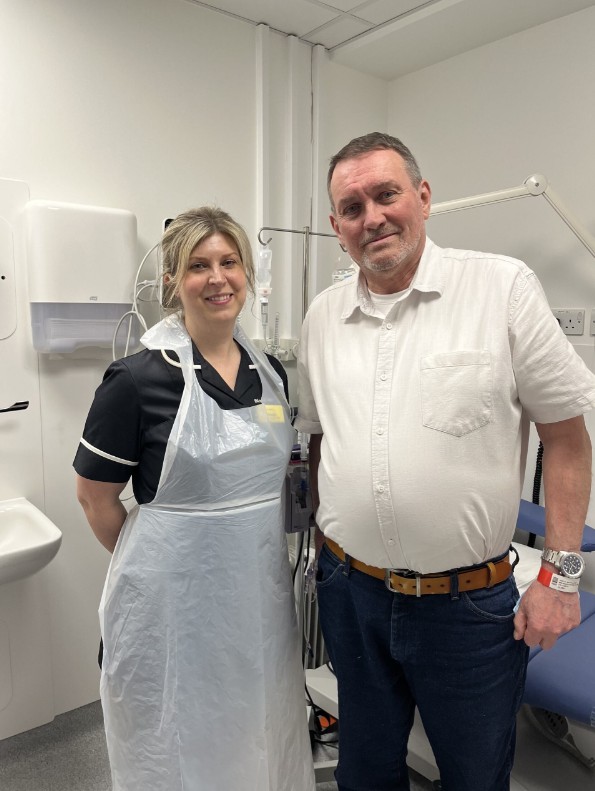
One of the patients now receiving UK-derived plasma medicines is Niall Whatley, 63, from Brixton in London. Niall was diagnosed with Multiple Sclerosis in 2011 and has been receiving intravenous immunoglobulin (IVIG) infusions at King's College Hospital for the best part of a decade. After a stem cell transplant failed to stabilise his immune system, monthly IVIG infusions are now essential to keeping him well and out of hospital. He recently switched to receiving treatment made from UK-donated plasma.
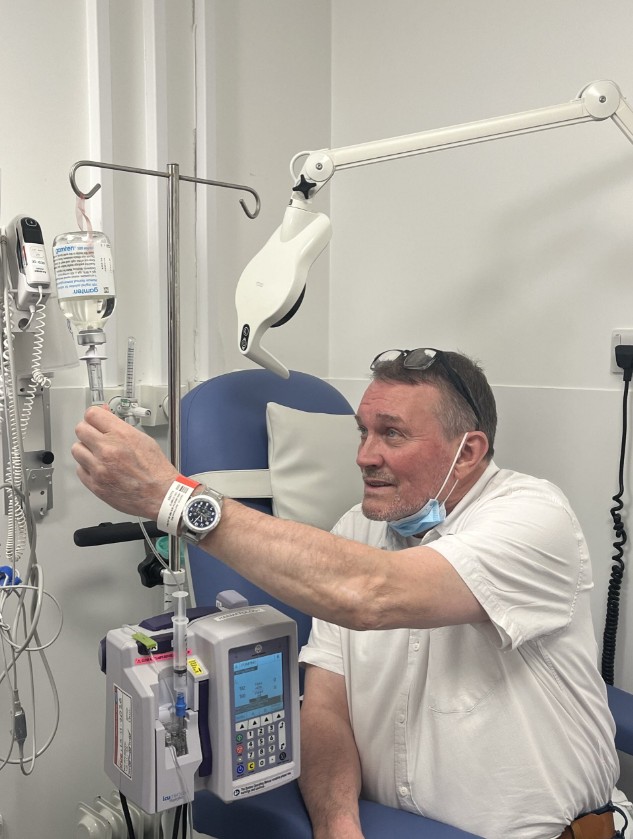 Niall Whatley said: "If I didn't have the IVIG infusions every month, I would be in and out of hospital constantly – or probably even a lot worse than that."
"In a way, the plasma-derived medicines are a lifesaver for me and many other patients. If your immune system goes right down to where your body can't fight off any infections, then you're in a world of problems. If you're lucky, you'll survive – and if you're not lucky, you don't."
"Anyone that donates plasma – I want them to know that they are donating a blood component that is literally saving people's lives... You are literally helping to keep us alive through the IVIG infusions we receive."
Around 17,000 NHS patients rely on plasma-derived immunoglobulin every year, and thousands more rely on albumin. These treatments are not optional – for people living with immune deficiencies, autoimmune conditions, or those requiring albumin in surgery, trauma care or to manage liver disease, they are a lifeline. Any disruption to supply of these medicines (from global shortages, geopolitical instability or unforeseen events) can have serious and potentially life-threatening consequences for patients.
 This programme directly supports the government's 10 Year Health Plan ambition to build an NHS that is fit for the future and resilient to shocks – reducing the UK's dependence on imported medicines and securing domestic supply of life-critical treatments.
Significant progress has been made in a short amount of time and the UK now meets nearly one quarter (23%) of NHS patients immunoglobulin demand from domestic plasma. However, the majority of plasma medicines are still imported, primarily from the United States. To build lasting resilience, NHSBT, alongside partners, is working to expand its plasma collection footprint across England and is urgently calling for more donors to come forward.
The aim is to reach 30-35% self-sufficiency in immunoglobulin by 2031, however, achieving that goal depends on having a sustained and growing donor base. Despite the success in building the UK supply so far, demand and use have also continued to grow, meaning that plasma donation and collection need to continue to expand and build to keep up.
Statements
How you can help
Plasma can be donated at one of 3 specialist plasma donor centres in England, located in Birmingham, Reading and Twickenham, and the process takes just over an hour.
If members of the public that wish to donate are not near one of the 3 dedicated plasma donor centres, they can still help. Every blood donation also contributes to the programme, as plasma is removed from whole blood donations given at donor centres and community venues across England. By donating blood, you are helping to produce the same life-saving plasma medicines.
To find out more, book an appointment or register as a blood or plasma donor, please visit our website, download the NHS Give Blood app or call 0300 123 23 23.