
Bristol brothers whose lives depend on plasma medicines go behind the scenes of blood and plasma processing
2 brothers from Bristol visited NHS Blood and Transplant's largest blood testing and processing facility in Filton to see first-hand how blood donations help create the life-saving treatments they rely on.
The brothers – George aged 14 and Artie aged 12 – toured the blood manufacturing hall at the Filton facility, where they met NHS Blood and Transplant (NHSBT) staff and followed the journey of plasma and blood donations.
During the visit, George and Artie saw how donated blood is processed, how plasma is separated from whole blood donations and how blood components are prepared before the plasma is sent to be manufactured into the vital plasma-derived medicines.
For the brothers, the visit offered a unique opportunity to see the work that takes place behind the scenes to provide treatments that help keep them healthy and active.
George and Artie's story
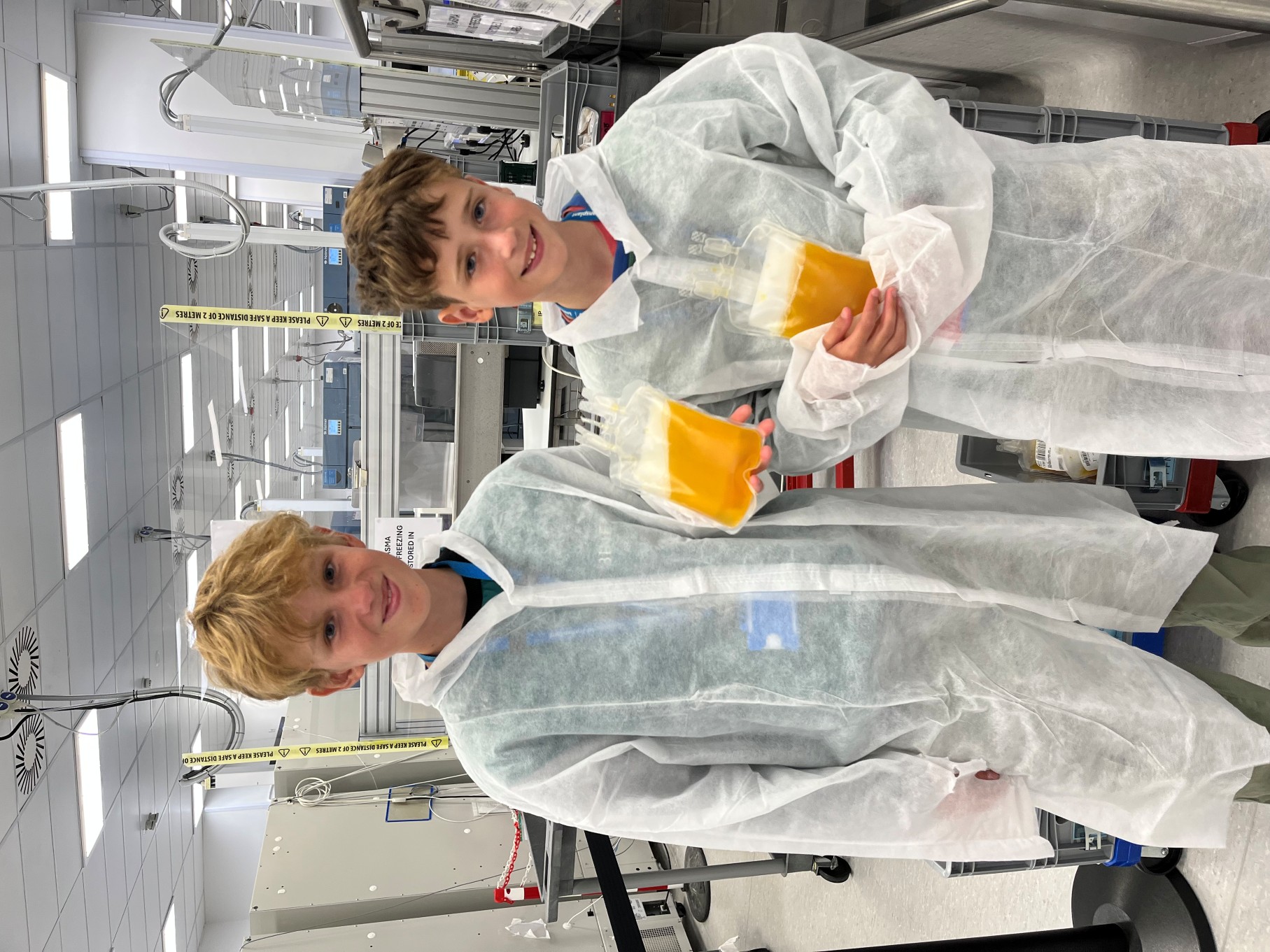 George and his younger brother Artie both live with Primary Immunodeficiency, a rare condition that affects the immune system and makes it harder for the body to fight infections.
To stay well, both boys receive regular immunoglobulin treatments made from plasma. George receives intravenous immunoglobulin (IVIG) infusions at hospital every four weeks, while Artie receives immunoglobulin treatment at home, administered by his mother through a subcutaneous infusion, also every four weeks.
Last summer, George completed an inspiring challenge to raise awareness of blood and plasma donation. The 14-year-old ran 5km every day for 25 days, covering 125km in total, while encouraging people to sign up as blood or plasma donors. In that time, 32 new donors registering and booking appointments to donate in George's name.
Since completing his running challenge, George has continued his efforts to raise awareness of blood and plasma donation. Over recent months, he has spoken at 4 sixth forms about his condition, the life-saving treatments he receives, and the vital role donors play in helping patients like him and his brother.
By sharing his experiences, George hopes to inspire more young people to register as blood donors as soon as they become eligible. So far, 22 students have registered to donate blood, and George is already lined up to speak at more schools from September.
Looking ahead, George hopes to take his message to universities, reaching even more young people to highlight the importance of blood and plasma donation and encourage them to become donors.
His presentations have helped students better understand how blood and plasma donations save and improve lives, while also highlighting the ongoing need for more donors to come forward.
Although George was diagnosed with Primary Immunodeficiency in 2024, and previously developed bronchiectasis (permanent lung damage), he continues to lead an active life. He enjoys running, football and cricket and is passionate about raising awareness around blood and plasma donation.
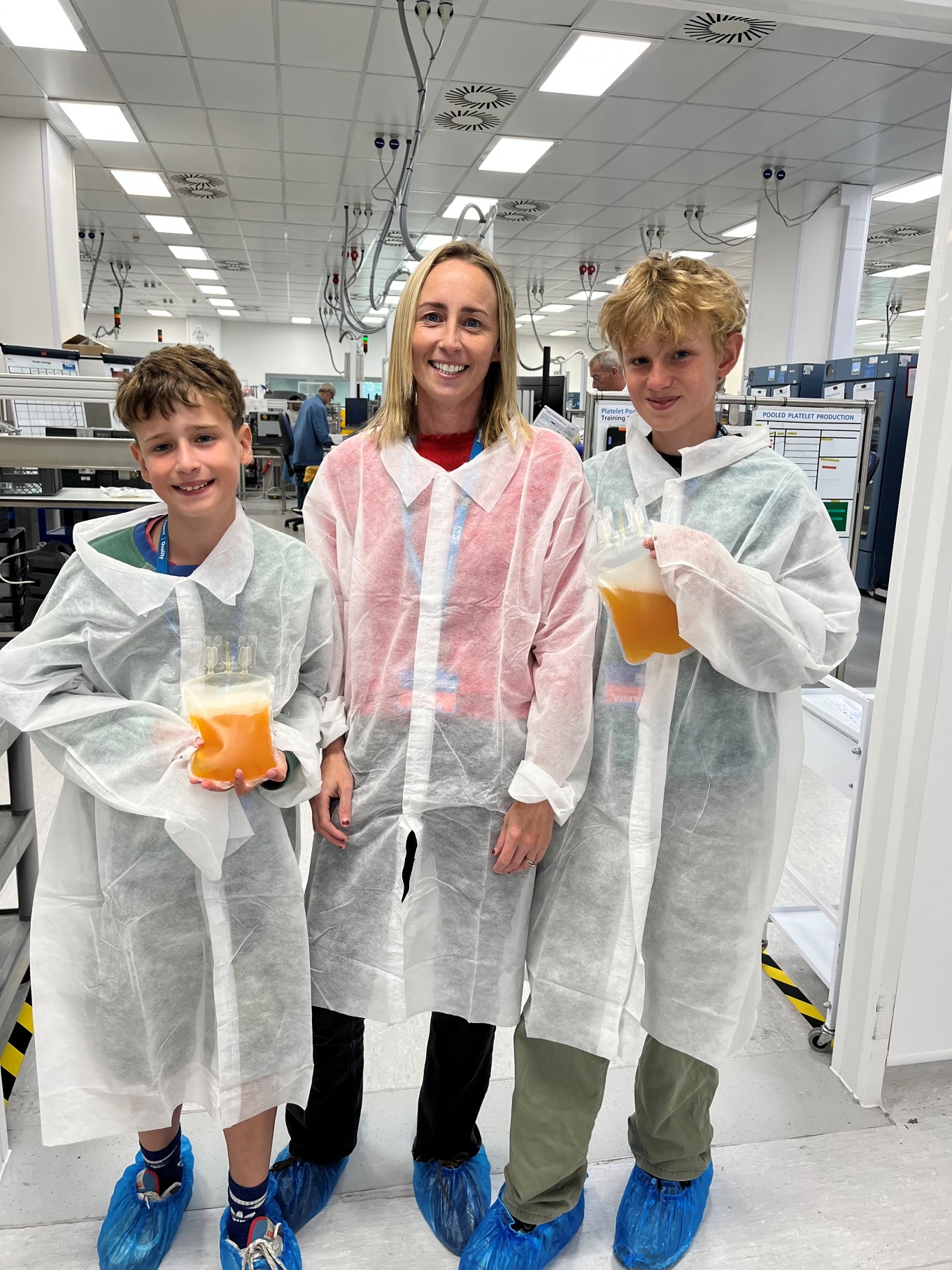 Before receiving immunoglobulin treatment, Artie was often fatigued and lacked the energy to take part in sports and other activities, meaning he missed out on things that many children his age take for granted. Thanks to the plasma-derived medicines he receives, he now has more energy and is able to lead a much more active life, including playing rugby at his local club, taking part in sports at school and enjoying football with his friends.
Plasma makes up around 55% of blood and contains antibodies that can be made into medicines used to treat more than 50 conditions.
Around 17,000 NHS patients rely on plasma-derived immunoglobulin every year, and thousands more rely on albumin. These treatments are not optional – for people living with immune deficiencies, autoimmune conditions, or those requiring albumin in surgery, trauma care or to manage liver disease, they are a lifeline. Any disruption to supply of these medicines (from global shortages, geopolitical instability or unforeseen events) can have serious and potentially life-threatening consequences for patients.
Plasma is separated from whole blood donations, so donors who give whole blood are also plasma donors. In addition to the recovered plasma from blood that is collected, NHSBT also operates three specially dedicated plasma donor centres in Birmingham, Reading and Twickenham where only the plasma is collected.
The plasma collected from thousands of donors is all combined together during the manufacturing process, meaning it takes many donations from different donors to help each patient.
George said: "I want to help more people understand how important blood and plasma donation is because I know that my treatment wouldn't be possible without the generosity of blood and plasma donors.
"It was really interesting to see what happens after somebody donates blood and how it eventually becomes a treatment that helps people like me and Artie. I'm very grateful to everyone who donates."
Artie said: "It was amazing to see all the different parts of the process and learn how donations help make the medicines that I need. Thank you to all the people who donate blood and plasma."
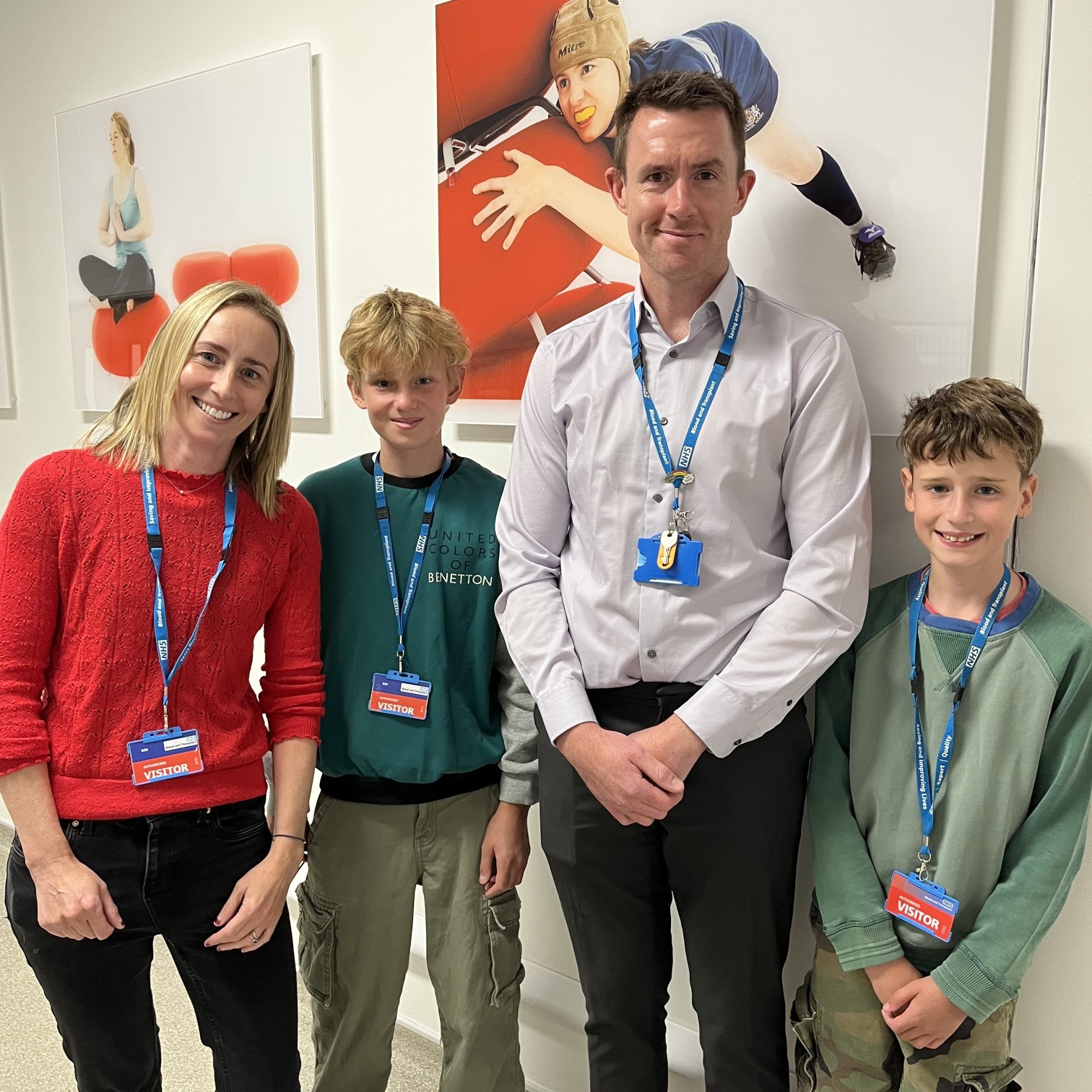 Russell Rubas, Plasma Supply Performance and Efficiency Lead at NHS Blood and Transplant, based in Filton, said:
"We were delighted to welcome George and Artie to Filton and give them the opportunity to see the remarkable journey plasma and blood donations take before they are manufactured into plasma-derived, reaching thousands of patients across the country.
"Every day, our teams work tirelessly to test, process and prepare blood and plasma products for hospitals and patients across the country. For George and Artie to see that process first-hand is especially meaningful because they themselves rely on plasma-derived medicines to stay well.
"George has already inspired so many people through his awareness raising efforts and we are incredibly grateful for his continued support in encouraging more people across the country to become donors."
The Filton site is NHSBT's largest blood testing and processing facility and plays a critical role in delivering blood and blood products safely to hospitals across England.
Since March 2025, more than 3,200 NHS patients have received life-saving immunoglobulin medicines made from UK-donated plasma for the first time in a generation, following the lifting of a longstanding ban on the use of UK plasma in 2021. The UK now meets 23% of NHS immunoglobulin demand from domestic plasma and while this represents significant progress, the majority of plasma medicines are still imported, primarily from the United States.
In total, more than 909,000 litres of UK plasma have been transported to manufacture the vital medicines – now supplying 1/5 of England's immunoglobulin needs and nearly 3/4s of albumin.
NHS Blood and Transplant is working to expand plasma collection and is working towards the ambition of reaching 30-35% self-sufficiency in immunoglobulin by 2031.
How you can help
To help save and improve more lives, register today as a blood or plasma donor, download the NHS GiveBlood app or call 0300 123 23 23.