

Give Blood Logo England and North Wales

Find out where to give blood locally

Simply type your postcode into this search box to find out where to give blood and book an appointment.

Find out where to give blood locally

FAQs...

Use the menu below to learn more about giving blood.

Male donors can donate 4 times in 12 months with a minimum interval of 12 weeks between donations. We advise female donors to donate at an average of 16 weeks or more to reduce the risk of iron deficiency. For further information, read male blood donation frequency FAQs.

  • Who can give blood?
    Most people can give blood. If you are generally in good health, age 17 to 65 (if it's your first time) and weigh at least 50kg (7st 12Ib) you can donate. However, If you are female, aged under 20 years old and weigh under 65kg (10st 3lb) and are under 168cm (5’ 6”) in height, we need to estimate your blood volume before donating.

    Male donors can give blood every 12 weeks. That’s approximately every 3 months or 4 times in a 12 month period. Female donors can give every 16 weeks or approximately every 4 months.
  • Will I be asked a lot of questions before I give blood?
    We will ask you a number of questions, but we promise to get through it all as quickly as possible. Our primary concerns are that giving blood will not harm you in any way and that your blood will be safe for patients.
  • What if I take medication?
    Do tell us if you are on any kind of medication whether from your doctor or over the counter from your pharmacist, internet or health shop. Some of these may affect your blood and may mean we cannot take your donation. For more information please call 0300 123 23 23.
  • Can I bring a friend?
    You are welcome to be accompanied by a friend.
  • How often can I give blood?
    Male donors can donate 4 times in 12 months with a minimum interval of 12 weeks between donations. We advise female donors to donate at an average of 16 weeks or more to reduce the risk of iron deficiency.
  • How much blood will be taken?
    Only about 470 ml, which is just under a pint. Your body will replace the lost fluid in a very short period of time.
  • How will giving blood affect my health?
    If you are fit and healthy, you should not experience any problems whatsoever.
  • What if I develop an infection after I donate?
    If you become unwell within two weeks of your donation, or if you believe there is any reason why your blood should not be transfused to a patient, please call us on 0300 123 23 23.
  • What if I feel faint when I get home?
    You need to take it easy for a few hours after giving blood, but if you do feel faint or dizzy, lie down immediately with your legs raised. Ideally, let someone else know if you are feeling unwell. If faintness persists after your donation, don't hesitate to call us on 0300 123 23 23 to let us know and we will be able to advise you further.
  • What can I do before and after giving blood?
    Be sure to eat at your regular mealtimes and drink plenty of fluids before and after donating, but avoid alcohol.
  • Can I smoke after giving blood?
    We advise that you refrain from smoking for about two hours after donating, as it might make you feel dizzy or faint.
  • Can I go back to work on the same day?
    Most people feel fine after donating and you can resume your normal activity as long as you feel well. But do avoid heavy lifting, pushing or picking up heavy objects for at least four hours after donating. However you should not give blood if your are undertaking a hazardous activity that day. This includes hobbies such as climbing, flying or diving or occupations, such as driving a crane, HGV or emergency services vehicle and certain building workers.
  • Can I exercise before or after giving blood?
    People who are planning to undertake exercise after giving blood should be advised that donation may affect their performance and may also increase the risk of bleeding from the venepuncture (needle entry) site and of other adverse events such as fainting. You may wish to wait until the following day so as to avoid any problems.

    Individuals who undertake sport at high levels of performance should be aware of both the short term effect of blood donation on performance and the possible long term effects if they should become short of iron. You may wish to seek specialist advice on how to avoid adverse affects on your performance from donation.

    If you have undertaken exercise before you donate, you will need to be recovered from the exercise and well hydrated in order to donate.
  • Can I give blood during my period?
    It is OK to donate while having a period. However, the combination of blood loss from periods and donation will make iron deficiency anaemia more likely, particularly if the periods are heavy or prolonged. This effect can be minimised by taking supplemental iron.

    If you feel unwell because of your period you should not donate, but if period pain is well controlled by medication you may donate. If you are a platelet donor, you may not donate for five days after taking aspirin, Piroxicam or aspirin-containing drugs. If you have taken non steroidal anti-inflammatory drugs such as Nurofen or Ibuprofen, then you must wait 48 hours.
  • Where does my blood go?
    Your blood will be taken to one of our blood centres up and down the country. To protect patients, your blood is tested for HIV, hepatitis B and C, certain other infectious diseases and syphilis.

    Once the blood has been sorted into its different types, and all the tests are clear, it is then distributed to hospitals to meet their predicted demand. There your blood is matched to a particular patient who requires a transfusion. View the current blood stock levels.
  • I gave up smoking and I am on anti-smoking treatment, will I still be able to give blood?
    Some smoking cessation therapies can cause dizziness and nausea. If you suffer from any such symptoms, we suggest you only give blood once those symptoms have passed. However, if you are on anti-smoking treatment and feel well, then you should be able to donate. Please inform the staff on session that you are taking anti-smoking treatment.
  • I sometimes take tranquillisers. Does this prevent me from giving blood?
    The session medical staff will need to see what medication you are on, so bring it with you. The nurse or doctor may have a quick chat with you about your medication and any underlying condition, but in the vast majority of cases tranquillisers do not stop you from giving blood.
  • I suffer from varicose veins. As blood is carried around my body through my veins am I able to give blood?
    Providing you are otherwise fit and healthy you will still be able to give blood and donating will do you no harm. However, if you have had recent treatment or have active inflammation, ulceration or thrombosis this may temporarily exclude you. This is for your safety and to prevent any infection being passed to a patient.
  • I have heard that the donor's ethnic origin is requested. Why does this matter?
    The ethnic origin of donors is medically important because it makes it easier for us to find and match blood for recipients with rarer blood groups. Secondly, the Race Relations Amendment Act 2000 means that we have to monitor the accessibility of our services to all communities, including how well we provide opportunities to donate blood. All personal donor information remains confidential, and is seen and used only by our staff and those we work closely with in providing our services. If you prefer not to give us this information, please let us know so that we do not ask you again.
  • I have just had acupuncture at a local clinic and am dismayed that I cannot donate for 4 months, why? My acupuncturist is registered with the acupuncturist's council and new needles were used.
    There is always an infection risk whenever the skin is pierced. If you have had acupuncture or any complementary therapy involving penetration by needles, please wait 4 months from receiving any of these treatments.

    However, if your acupuncture was performed by NHS staff on NHS premises or was performed outside the NHS but by a qualified Health Care Professional, registered with a statutory body, then you may donate.

    Though your acupuncturist is voluntarily registered with a non statutory body, such organisations are not subject to supervision by the Council for Regulatory Excellence in Healthcare (CHRE).

    If you have had any body piercing including permanent and semi permanent makeup and tattooing, or acupuncture outside the NHS and not perfomed by a qualified Health Care Professional registered with a statutory body, please wait 4 months from your last piercing before donating. If your treatment was between 4 and 12 months ago, you must let us know as your donation will need an additional blood test.
  • I have started taking 75mg of aspirin a day to thin my blood and help prevent heart attacks. Will this affect my ability to donate blood?
    You may be able to donate blood, however aspirin may affect platelet function so your donation will not be used for preparing platelets. That is why it is always important to let us know if you are taking any over the counter medication regularly.
  • I have heard that blood is used for research. Isn't it all needed by patients?
    When you come to give blood the leaflet you are asked to read tells you that occasionally blood that is not needed for transfusion maybe used for research and development work to benefit patients. All such use is carefully controlled, ethically approved where appropriate and no donor is identified.
  • I am a vegetarian, can I give blood?
    There is no problem with vegetarians giving blood. The red blood cells, which require iron from the stores in your body, will need to be replaced after the donation. Provided you eat a well-balanced diet sufficient in iron, then you should be able to replenish your iron supply before your next donation.
  • Why are people who have or think they may have received a blood transfusion since 1980 no longer able to give blood?
    This step was implemented by all four of the UK Blood Services on 2nd August 2004. It is a further precautionary measure against the possible risk of variant Creutzfeldt-Jakob Disease (vCJD) being transmitted by blood and blood products.

    vCJD is thought to be the consequence of eating contaminated beef, related to BSE (or mad cow disease) in UK cattle after 1980. Fortunately, vCJD is very rare. But, there is evidence that vCJD may be transmitted from an infected blood donor to the patient., via transfusion.

    If we couldn’t answer your question here, please complete our online form or call us on 0300 123 23 23.


Save more lives

Join the organ donor register

Every year the lives of thousands of people are saved or transformed through organ transplantation. Join the register.

Donate platelets

Platelet donations are often life-saving. Have you given blood before? You may be able to donate platelets. More about Platelet Donation.

The British Bone Marrow Registry

The British Bone Marrow Registry is a division of NHS Blood and Transplant. More about the BBMR.

Donate tissues

Tissue donation gives many families the option of making a difference to others. More about Tissue Donation.

Donate cord blood

In creating one life why not save another? Are you pregnant and live in North London? You may be able to donate cord blood. More about Cord Blood Donation.

You can call us on
0300 123 23 23

View Session Searcher to find your nearest venue.
Alternatively we can call you Minicom 0845 730 0106

Amazing Stories

Read About Keira's Story
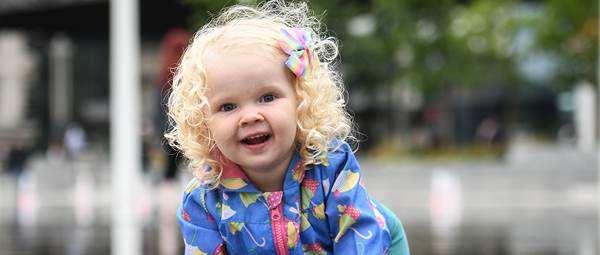
Tiny baby Keira needed dozens of transfusions to help her survive a rare blood disease...
Read about Keira
5_263_118